Learning how to build an investment portfolio in Kenya is one of the most valuable financial skills you can develop, and it is simpler than most people fear. A good investment portfolio in Kenya is not about picking one hot stock or fund; it is about layering safe, income and growth assets in the right order, then staying consistent for years. This guide walks you through building an investment portfolio in Kenya step by step, from your emergency fund to shares, bonds and passive income, using low-cost options any Kenyan can access today.
You do not need a lot of money or special knowledge to start. You need a plan and the discipline to follow it. Below is a clear, eight-step framework for building a solid investment portfolio in Kenya, with links to detailed guides for each piece.
Table of Contents
Key takeaways
- A strong investment portfolio in Kenya is built in layers: foundations first, then safe assets, then growth, added in order.
- Start with a budget, an emergency fund, and clearing high-interest debt before you invest a shilling.
- Begin investing with safe, liquid options like a money market fund, a SACCO or Treasury bills.
- Add growth with an anchor NSE stock, then diversify across shares, bonds, funds and property.
- Build a deliberate passive-income layer, stay consistent, never panic-sell, and start as early as you can.
Step 1: Get your foundations right first
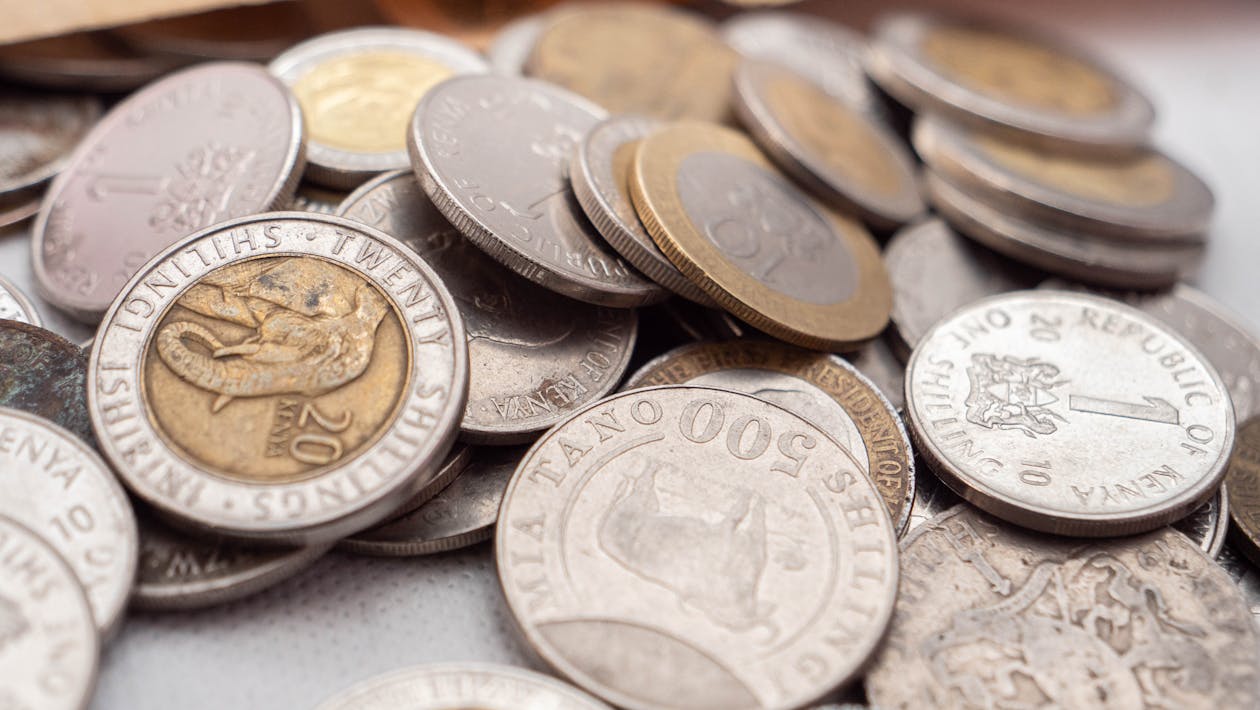
Before you invest, secure your base, because investing on a shaky foundation is how people are forced to sell at the worst time. Three things come first. Build a budget so you know what you can consistently set aside. Save an emergency fund of three to six months of expenses in an easily accessible place. And clear any high-interest debt, like mobile loans or credit cards, since no investment reliably beats the cost of that debt.
This step is not glamorous, but it is what makes everything after it work. With a buffer in place and expensive debt gone, you can invest for years without being derailed by a job loss or emergency. Only once these foundations are set should you start building the rest of your investment portfolio in Kenya.
Step 2: Start with safe, liquid assets

Your first investments should be safe and liquid, the calm core of your investment portfolio in Kenya. Three excellent starting points are a money market fund, a SACCO, and Treasury bills. A money market fund keeps your capital stable, pays around 8% to 10% net, and lets you withdraw within days, making it perfect for both your emergency fund and early savings. Compare the top payers in our guide to the best money market funds in Kenya, and see reviews of leaders like Cytonn and Nabo.
A SACCO can pay strong dividends and gives you access to affordable loans, though your share capital is less liquid. Treasury bills, issued by the Central Bank of Kenya, offer a safe government-backed return. Starting here builds the habit and gives you a stable base before you take on more risk. For a bit more yield with slightly more movement, a fixed income fund is the next rung up.
Step 3: Add an anchor stock on the NSE
Once your safe base is in place, it is time to add growth, and the simplest way to start is with one anchor stock: a large, well-understood company listed on the Nairobi Securities Exchange that you believe in for the long term. For many Kenyans that is a blue chip like Safaricom or a leading bank, a business you know, that pays dividends and has a long track record. An anchor stock gives your investment portfolio in Kenya a growth engine without the risk of betting on something obscure.
To buy shares, you first need a CDSC account and a broker or app, which our guide to the best stockbrokers in Kenya covers. To choose your anchor, look at the best performing NSE stocks and the best dividend stocks in Kenya. Start with one solid name, hold it, and add over time.
Step 4: Diversify across asset classes
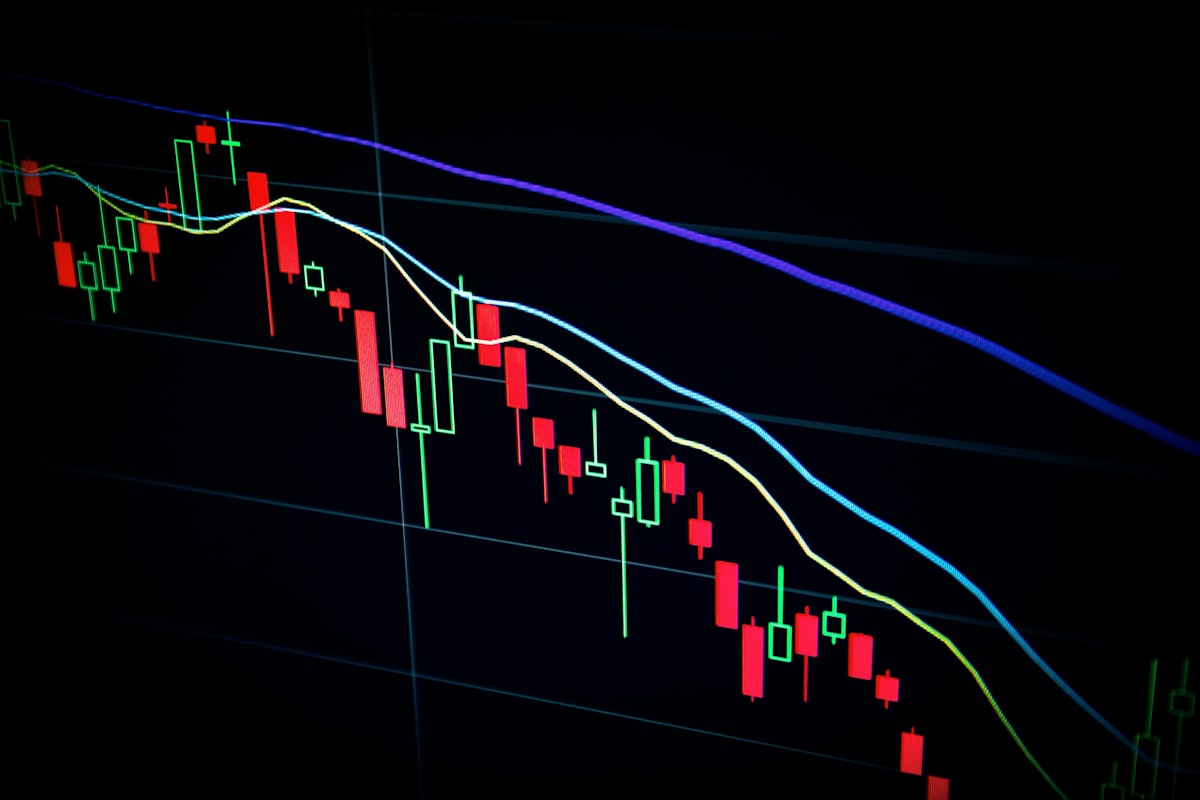
Diversification is the heart of a resilient investment portfolio in Kenya. The idea is simple: spread your money across different asset types so that when one falls, another holds up. A well-rounded Kenyan portfolio might combine shares for growth, bonds or fixed income funds for steady interest, money market funds for stability and liquidity, and property or REITs for long-term real-asset exposure.
You do not need all of these on day one; you add them as your portfolio grows. The key is not to put everything into a single stock or a single fund. If you are unsure how to split between the safer rungs, our fixed income fund vs money market fund comparison helps, and higher up the risk ladder sit the best special funds in Kenya for a small, aggressive slice. Spread sensibly and no single setback can sink you.
Step 5: Build your passive income layer deliberately
A great investment portfolio in Kenya does not just grow; it pays you. Building a passive-income layer means deliberately holding assets that generate regular cash: dividend-paying shares, the interest from money market and fixed income funds, and SACCO payouts. Over time, this income can cover bills, get reinvested to compound faster, or give you real financial freedom.
The trick is to be intentional about it. Choose reliable dividend payers, reinvest the income while you are still building, and track your payouts. Our NSE dividend calendar shows when each company pays, so you can plan your income stream. A deliberately built income layer is what turns a portfolio from a number on a screen into money working for you.
Step 6: Choose direct or indirect investing by temperament
There are two ways to invest in shares, and the right one depends on your temperament, not just your returns. Direct investing means buying individual stocks yourself, which gives you full control and no fund fees, but demands research, discipline and a stomach for watching prices move. Indirect investing means using funds, where a professional manager picks and manages a diversified pot for you, for a fee, all under Capital Markets Authority regulation, which suits people who would rather not pick their own stocks.
Be honest with yourself here. If you enjoy research and can stay calm when a stock drops, direct investing can work well. If you would lose sleep over individual shares or lack the time, funds are the wiser route, and there is no shame in that. Many people blend both. Matching your approach to your temperament is what keeps you invested through the ups and downs.
Step 7: Stay consistent and never panic-sell
The behaviour of the investor matters more than the assets. The two habits that build wealth in any investment portfolio in Kenya are consistency and calm. Consistency means investing a fixed amount every month, regardless of the headlines, so you buy through both highs and lows and let compounding work. Calm means not panic-selling when markets fall, which is the single most common way ordinary investors destroy their returns.
Markets and individual stocks will drop sometimes; that is normal. The investors who win are the ones who keep contributing and hold through the dips, rather than selling in fear and buying back higher. Set up an automatic monthly investment, ignore the noise, and think in years, not days. This discipline, more than any clever pick, is what makes a portfolio succeed.
Step 8: Start now, not later
The final step is the most important: start. The best time to begin building your investment portfolio in Kenya was years ago; the second best time is today. Because of compounding, money invested earlier has far more time to grow, and even small amounts started now beat larger amounts started later. Waiting for the perfect moment, or more money, or more knowledge, is the costliest mistake of all.
You already have enough to take the first step: open a money market fund this week, set up a monthly contribution, and build from there using the steps above. Perfection is not required; starting is. A modest portfolio begun today and added to consistently will, in time, quietly outgrow the intentions of those who kept waiting.
How your portfolio should change over time
An investment portfolio in Kenya is not a set-and-forget project; the right mix shifts as your life does. When you are young and have decades ahead, you can afford to tilt more toward growth assets like shares, because you have time to ride out the inevitable dips. As you get older or approach a big goal, like buying a home or retiring, you gradually shift toward safer, income-producing assets like money market and fixed income funds, protecting what you have built.
Your goals matter as much as your age. Money you will need in a year or two belongs in safe, liquid assets no matter how old you are, while money you will not touch for a decade can take on more risk. Review your portfolio once or twice a year, rebalance if one part has grown far larger than intended, and adjust as your income, family and goals change. This gentle, occasional tending is all a good portfolio needs.
Common portfolio mistakes to avoid
A few mistakes trip up most new investors, and knowing them in advance saves you money. The first is skipping the foundations, investing before clearing high-interest debt or building an emergency fund, which forces you to sell at the worst time. The second is putting everything into one stock or one fund, however promising, instead of diversifying. The third is chasing last year’s winner, buying whatever just soared, which often means buying at the top.
The fourth mistake is inconsistency, investing in bursts of enthusiasm then stopping, rather than contributing steadily every month. The fifth, and most damaging, is panic-selling in a downturn and locking in losses. Notice that most of these are about behaviour, not asset selection. Build a sensible investment portfolio in Kenya, automate your contributions, and simply avoid these five traps, and you will already be ahead of the majority of investors. The plan is simple; the discipline is what pays.
Frequently asked questions
How do I start building an investment portfolio in Kenya?
Start by securing your foundations: a budget, an emergency fund, and clearing high-interest debt. Then open a safe, liquid option like a money market fund, add an anchor NSE stock, and diversify from there. Begin small and contribute consistently.
How much money do I need to start investing in Kenya?
Very little. Many money market funds start from KSh 100 to KSh 2,500, and you can buy shares with a few thousand shillings. The amount matters far less than starting early and adding to it every month.
What should be in a balanced investment portfolio in Kenya?
A balanced portfolio typically layers money market funds for stability, fixed income funds or bonds for steady interest, shares for growth, and some property or REIT exposure. The exact mix depends on your goals, age and risk tolerance.
Should I invest directly in stocks or use funds?
It depends on your temperament and time. Direct stock investing gives control but needs research and discipline; funds hand the work to a manager for a fee. If you would panic when prices fall or lack time to research, funds are usually the safer choice. Many people use both.
What is the biggest mistake new investors make?
Two: investing before clearing high-interest debt and building an emergency fund, and panic-selling when markets drop. Getting your foundations right and staying consistent through the ups and downs avoids both.
Use our compound interest calculator to project how your portfolio could grow over the years.
Saving for the long term? Make sure some of it goes towards retirement. See our complete guide to retirement planning in Kenya.
A SACCO is another popular way Kenyans save and borrow. See our guide to SACCOs in Kenya to weigh it against your other options.
Disclaimer: The content on Sarafu is for educational and informational purposes only. It does not constitute financial or investment advice. Rates and figures mentioned are approximate and were sourced at the time of writing; they change over time. All investments carry risk; the value of your investments can go down as well as up, and you may get back less than you invest. Always do your own research, verify current figures on a live source, and consider consulting a licensed financial advisor before making any decision.
