A CDSC account is the first thing you need before you can buy a single share on the Nairobi Securities Exchange. It is an electronic account that holds your shares and bonds safely in your name, and without one you simply cannot trade. The good news is that opening a CDSC account in Kenya is free, quick (usually one to three days), and can now be done entirely on your phone. This guide explains exactly what a CDSC account is, what you need to open one, and the fastest way to get started.
If you have been meaning to start investing on the NSE but were not sure where to begin, this is the step. Below we walk through what a CDSC account is, why you need it, the documents required, and how to open one the easy way.
Table of Contents
Key takeaways
- A CDSC account (a CDS account, run by the Central Depository and Settlement Corporation) holds your NSE shares and bonds electronically in your name.
- You cannot buy or sell shares on the NSE without one, so it is the essential first step to investing.
- Opening a CDSC account is free, and it takes about one to three working days once your documents are in order.
- You need your ID or passport, KRA PIN, proof of address, bank details, two passport photos, and a completed CDS 1 form.
- You can open one through a stockbroker or investment bank, or paperless through digital apps.
What is a CDSC account?
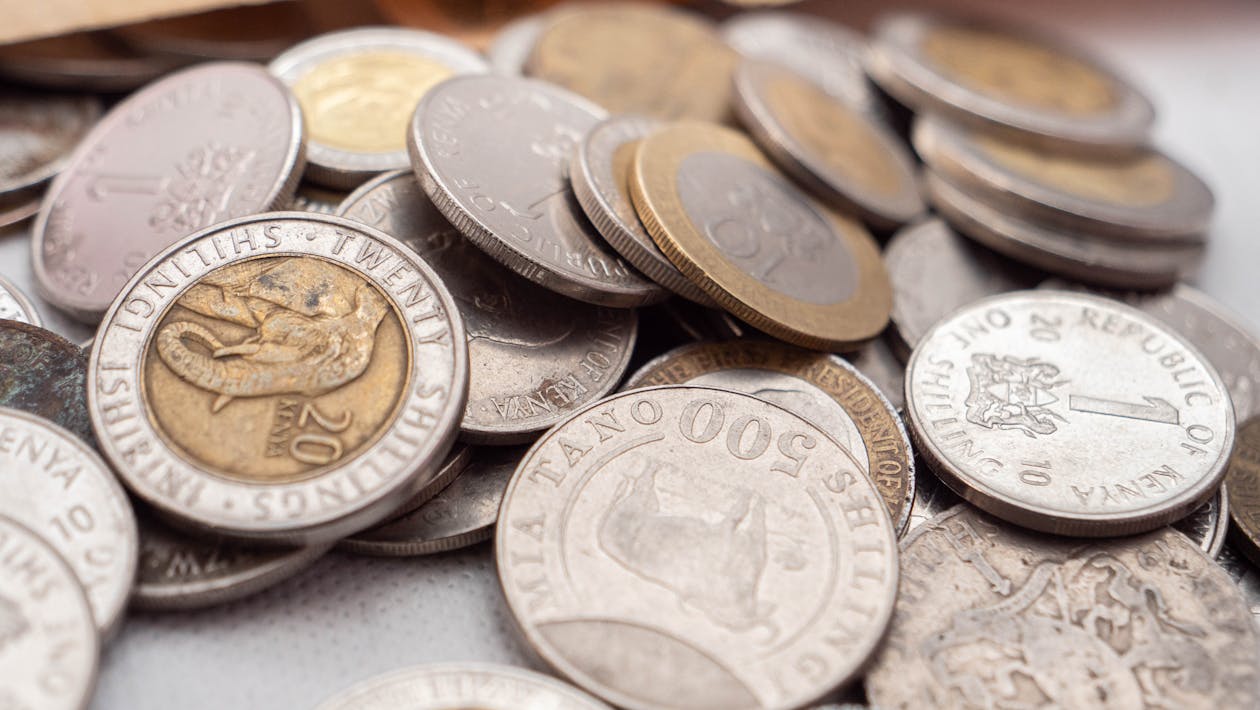
A CDSC account is an electronic account that holds the shares and bonds you own so they can be traded on the Nairobi Securities Exchange. Technically it is a CDS account (Central Depository System), operated by the Central Depository and Settlement Corporation, which is why people call it a CDSC account. Think of it like a bank account, but instead of holding cash, it holds your securities.
When you buy shares, they are credited to it; when you sell, they are debited from it. This system replaced the old paper share certificates, making trading faster, safer and fully electronic. Every serious investor on the NSE has one, and it is the foundation everything else is built on.
Why do you need a CDSC account?
The simple answer is that you cannot invest on the NSE without a CDSC account. It is a legal and practical requirement: your broker executes trades, but the shares themselves are held in your CDSC account in your own name, not the broker’s. That protects you, because your ownership is recorded independently at the central depository.
Beyond trading, your CDSC account is also where dividends are tracked and where corporate actions (like bonus issues or rights) are applied. It is also linked to your bank, so dividends can be paid straight to you. In short, the CDSC account is what makes you a recognised shareholder rather than just someone who wants to be one.
What you need to open a CDSC account

Opening a CDSC account is straightforward if you gather the right documents first. For an individual, you will typically need:
- A valid national ID or passport.
- Your KRA PIN certificate.
- Proof of address (such as a utility bill).
- Your bank details, for dividends and settlements.
- Two recent passport-size photographs.
- A completed CDS 1 account-opening form.
Companies, chamas and joint holders can also open a CDSC account, with a few extra documents like registration certificates or signatory details. Having everything ready upfront is what turns a multi-day process into a quick one.
How to open a CDSC account: your options

There are two main routes to opening a CDSC account in Kenya, and the right one depends on how hands-on you want to be.
Through a stockbroker or investment bank
The traditional route is to open your CDSC account through an approved Central Depository Agent, which means a licensed stockbroker, investment bank or custodian bank (all members of KASIB). You fill in the CDS 1 form, submit your documents, and the agent opens the account for you and becomes your broker for placing trades. This suits people who want a relationship with a broker and possibly some guidance. Our guide to the best stockbrokers and trading apps in Kenya compares the options.
Through a digital app
The faster, modern route is to open a CDSC account paperless through a digital investing app. Apps partnered with the CDSC and NSE let you open an account and start buying shares straight from your phone, often for free and in minutes. This is ideal for beginners who want the whole thing done digitally without visiting an office.
How much does it cost, and how long does it take?
Opening a CDSC account is free: the CDSC and most agents do not charge to open a new account. What you do pay are the costs of actually investing, brokerage commission on trades, the NSE transaction levy, a small CDS maintenance fee, and stamp duty. These are modest and only apply when you buy or sell, not just for holding the account.
On timing, if all your documents are in order, opening a CDSC account usually takes one to three working days through a broker, and can be near-instant through a digital app. Once it is active, you receive a CDS account number, and you are ready to place your first trade.
What to do once your CDSC account is open
With your CDSC account active, you can start investing on the NSE. The sensible first move is to decide what to buy before you buy it. Beginners often start with a well-known, stable company and build from there. Our guides can help you choose: see the best performing NSE stocks, the best dividend stocks in Kenya, and, once you own shares, the NSE dividend calendar so you never miss a payout.
Fund it, place your order through your broker or app, and the shares are credited to your CDSC account. From there, you can hold for the long term, collect dividends, and add to your portfolio over time. Opening the account is the hard part; after that, investing is simple.
CDSC account vs a broker or app account
A common point of confusion is the difference between a CDSC account and the login you open with a broker or investing app. They work together but are not the same thing. Your CDSC account is the central record of what you own, held at the depository in your name. Your broker or app is the channel you use to place buy and sell orders, which then settle into your CDSC account. When you open one through a broker or a digital app, they typically set up your CDSC account for you at the same time, so you may not even notice the two steps.
The practical point is that your ownership lives at the CDSC, not with the broker. If your broker had trouble, your shares would still be recorded as yours at the central depository. That separation is a deliberate protection for investors, and it is one reason the CDSC account system replaced paper certificates. So when choosing where to open one, you are really choosing your broker or app; the CDSC account itself is standard.
Common mistakes to avoid
The first mistake is delaying because it feels complicated. Opening one is genuinely quick and free, and the modern apps have removed almost all the friction, so there is little reason to wait. The second is not linking a working bank, which is how your dividends and sale proceeds reach you; keep those details current. The third is opening it and then not knowing what to buy, which is why it pays to decide on your first investment before your account is even ready.
The fourth mistake is forgetting the account exists. Some Kenyans opened one years ago, bought a few shares, and lost track, leaving dividends unclaimed. If you think you may already have one, your broker or the CDSC can help you check. Whether you are opening a fresh one or reviving an old one, the goal is the same: to become an active, recognised shareholder who actually benefits from owning part of Kenya’s listed companies.
Why bother investing on the NSE at all?
It is worth remembering why this first step matters. Owning shares in Kenya’s listed companies lets ordinary savers share in the growth of businesses like banks, telecoms and manufacturers, rather than just watching them from the sidelines. Over the long run, the Nairobi Securities Exchange has rewarded patient investors through two channels: capital growth, as share prices rise, and dividends, the cash profits companies pay out to shareholders each year.
Those dividends are a big part of the appeal. Established Kenyan firms have paid generous, growing dividends for years, and reinvesting them can compound your holdings meaningfully over a decade or more. Combined with the chance of price appreciation, shares have historically outpaced inflation and beaten leaving money idle in a bank. That is the prize that becomes available once you take this first administrative step.
None of this means shares are risk-free. Prices move up and down, sometimes sharply, and individual companies can disappoint. The sensible approach is to invest money you will not need soon, spread it across several solid companies rather than betting on one, and think in years, not days. Start small, learn as you go, and add to your holdings steadily. Done this way, buying shares becomes a calm, long-term habit that builds real wealth, and it all begins the moment you are set up to trade.
Frequently asked questions
What is a CDSC account?
A CDSC account holds your shares and bonds so they can be traded on the Nairobi Securities Exchange. It is technically a CDS system run by the Central Depository and Settlement Corporation, and you need one to invest in NSE shares.
How much does it cost to open a CDSC account?
Opening one is free. You only pay costs when you trade, such as brokerage fees, the NSE levy, a small CDS maintenance fee, and stamp duty. Holding the account itself does not cost you.
What documents do I need?
You need a valid ID or passport, your KRA PIN, proof of address, bank details, two passport photos, and a completed CDS 1 form. Having these ready makes the process quick.
How long does it take to open a CDSC account?
With all documents in order, it usually takes one to three working days through a stockbroker, and can be almost instant through a digital investing app.
Can I open a CDSC account online?
Yes. Several apps partnered with the CDSC and NSE let you open one and start buying shares entirely from your phone, paperless and often free.
Prefer to skip the paperwork? Apps like Hisa open your account for you, as our Hisa app review explains.
Own Safaricom shares? Your Safaricom dividend is paid to the bank account linked here.
Just getting started? See our guide to building an investment portfolio in Kenya from the ground up.
Disclaimer: The content on Sarafu is for educational and informational purposes only. It does not constitute financial or investment advice. Account requirements, fees and processes can change, and were described in general terms at the time of writing. Always confirm the current requirements with the CDSC, the NSE or your chosen broker before acting. Investing in shares carries risk; the value of your investments can go down as well as up.
