The Mayfair Fixed Income Fund is the standout performer in its category, and by a wide margin. As of June 2026 it returned about 16.61% gross, or 14.12% net after tax, well ahead of the fixed income fund average of around 11.87% gross and far above any money market fund. That is an exceptional number, but it deserves as much caution as praise. This review explains what the Mayfair Fixed Income Fund actually holds, why its returns are so high, the risks behind them, and whether it belongs in your portfolio.
A fixed income fund sits one rung above a money market fund on the risk ladder: a bit more return for a bit more movement in value. The Mayfair Fixed Income Fund has pushed that trade further than most, which is exactly why understanding it matters before you invest.
Table of Contents
Key takeaways
- The Mayfair Fixed Income Fund led the category in June 2026 with about 16.61% gross (14.12% net), far above the average.
- That outsized return reflects active management of longer-dated bonds in a falling-rate year, not a guaranteed rate.
- It invests in Treasury bonds, corporate bonds, fixed and call deposits, CDs and Treasury bills.
- It suits medium-term investors (roughly two to five years) with a low-to-medium risk profile who can accept some value movement.
- The same duration positioning that drove the high return adds risk if interest rates rise, so treat it as high reward with real risk.
Mayfair Fixed Income Fund returns

The returns are the headline, so let us be precise and fair about them. The Mayfair Fixed Income Fund has been the clear category leader through 2026.
| Period | Gross return | Net return |
|---|---|---|
| Mayfair FIF (June 2026) | 16.61% | 14.12% |
| Fixed income category average | 11.87% | 10.09% |
| Money market average | 8.92% | 7.58% |
The Mayfair Fixed Income Fund is paying roughly four percentage points more than the average fixed income fund and nearly double a typical money market fund. That gap is large, and it is the whole reason the fund has drawn so much attention. But a number this far ahead of the pack is a reason to look closely at how it was earned, which the next section explains.
Why are the returns so high?
The Mayfair Fixed Income Fund’s exceptional return is the result of active duration management, holding longer-dated bonds while interest rates were falling. When rates fall, existing bonds with higher fixed coupons become more valuable, and a fund positioned in longer bonds captures that gain on top of the interest. In a year like this, that strategy has paid off handsomely.
The honest flip side is that the same positioning cuts both ways. If interest rates rise, longer-dated bonds lose value fastest, and a fund leaning into duration can give back some of those gains. So the Mayfair Fixed Income Fund is not simply a higher-paying version of a safe fund; it is a more actively positioned one. That is fine if you understand it, but it means the 16.61% should be read as a strong recent result, not a promise of the future.
What the Mayfair Fixed Income Fund invests in
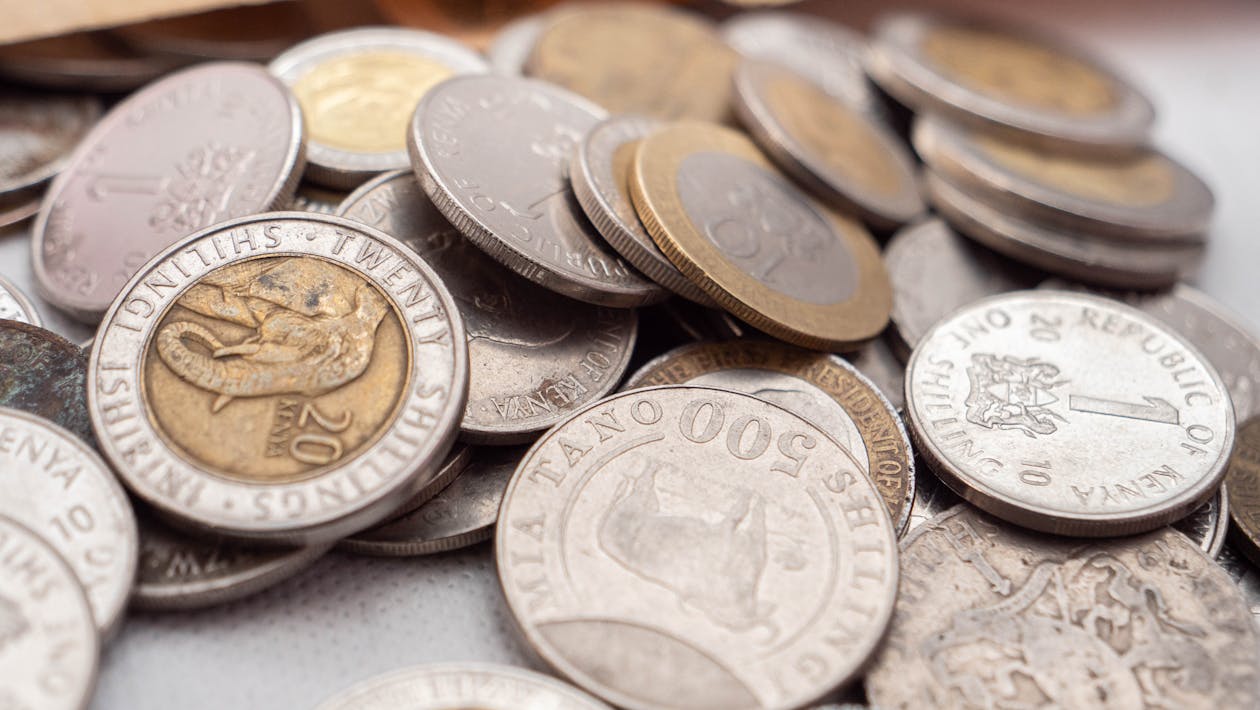
Like other funds in its class, the Mayfair Fixed Income Fund holds a diversified pool of debt: Treasury bonds, corporate bonds, fixed and call deposits, certificates of deposit and Treasury bills. This mix aims to earn a steady stream of interest income with reasonable stability, while giving you liquidity that you would not easily get by buying individual bonds yourself.
Mayfair Asset Managers describes the fund as suitable for investors seeking regular income with stable capital growth, saving for medium-term goals of roughly two to five years, and comfortable with a low-to-medium risk profile. That framing is fair: it is not a cash-like money market fund, but nor is it an equity fund. For the full category picture, see our guide to the best fixed income funds in Kenya.
Worked example: what KSh 500,000 would earn
Numbers make it concrete. Say you invest KSh 500,000 in the Mayfair Fixed Income Fund for a year at the current 14.12% net rate.
- You would earn about KSh 70,600 in a year, growing your balance to roughly KSh 570,600.
- In an average fixed income fund at 10.09% net, the same KSh 500,000 would earn about KSh 50,450.
- In a top money market fund at 10.51% net, it would earn about KSh 52,550.
The Mayfair Fixed Income Fund clearly leads on return. But remember the worked example uses a single strong year; in a year where rates rise, the same fund could return noticeably less, or briefly dip in value. If you want a calmer, more stable option, compare the best performing money market funds in Kenya, and read our fixed income fund vs money market fund comparison.
The risks to weigh honestly

Interest-rate risk. The Mayfair Fixed Income Fund’s duration positioning means its value is more sensitive to rate changes than a money market fund. A sharp rise in rates could dent returns.
Past returns will not simply repeat. The 16.61% came from specific conditions. Judge the fund on its strategy and consistency, not on assuming this year’s number continues.
Credit risk. Holding corporate bonds adds some default risk in exchange for higher yield, so the quality of the portfolio matters.
Time horizon. This suits money you can leave for a couple of years or more. It is not the place for cash you might need next month.
How to invest in the Mayfair Fixed Income Fund
The process is straightforward. You complete an individual or corporate application form from Mayfair Asset Managers, provide your KYC documents (ID, KRA PIN and bank details), and fund your account. You can start on the Mayfair Fixed Income Fund page, where the current fact sheet lists the exact minimum and fees, always worth confirming before you invest.
Management fees for fixed income funds typically run around 1.5% to 2% a year and are already reflected in the net return you see. Once invested, your money buys units in the fund, and you can track the value and withdraw when you need to, subject to any notice terms. Because this is a medium-term fund regulated by the Capital Markets Authority, the best results come from staying invested through the ups and downs rather than trading in and out.
Frequently asked questions
What return does the Mayfair Fixed Income Fund pay?
As of June 2026, the Mayfair Fixed Income Fund returned about 16.61% gross, or 14.12% net after the 15% withholding tax, the highest in its category. This is not a fixed rate; it reflects the fund’s bond positioning and can be lower if interest rates rise. Confirm the current figure on the fact sheet.
Why is the Mayfair Fixed Income Fund paying so much?
Its high return comes from active duration management, holding longer-dated bonds while rates were falling, which boosted their value. The same strategy carries more interest-rate risk, so the exceptional return should be read as a strong recent result rather than a guarantee.
Is the Mayfair Fixed Income Fund safe?
It is lower risk than an equity or special fund, but higher risk than a money market fund because its value can move with interest rates. It suits medium-term investors with a low-to-medium risk profile who can accept some fluctuation for higher income.
How long should I invest for?
Mayfair describes it as suitable for medium-term goals of roughly two to five years. That horizon lets you ride out any short-term dips and benefit from the higher yield over time.
How do I invest in the Mayfair Fixed Income Fund?
You fill in an application form from Mayfair Asset Managers, submit your KYC documents, and fund your account. Check the current minimum investment and fees on the fund fact sheet before you start.
Disclaimer: The content on Sarafu is for educational and informational purposes only. It does not constitute financial or investment advice. Returns mentioned are approximate and were sourced at the time of writing (June 2026 data), and they fluctuate constantly and can change. Past performance is not a promise of future results. All investments carry risk; the value of your investment can go down as well as up, and fixed income funds can dip when interest rates rise. Always do your own research, verify current figures on the fund fact sheet or the latest market wrap-up, and consider consulting a licensed financial advisor before making any decision.
