Looking for the best money market funds in Kenya? If you have money sitting in a regular savings account earning 3–5% interest, you are losing money to inflation every single year. Money market funds (MMFs) in Kenya currently offer 8–12% annual returns — two to four times what most bank accounts pay — and you can start investing with as little as KSh 100 through M-Pesa.
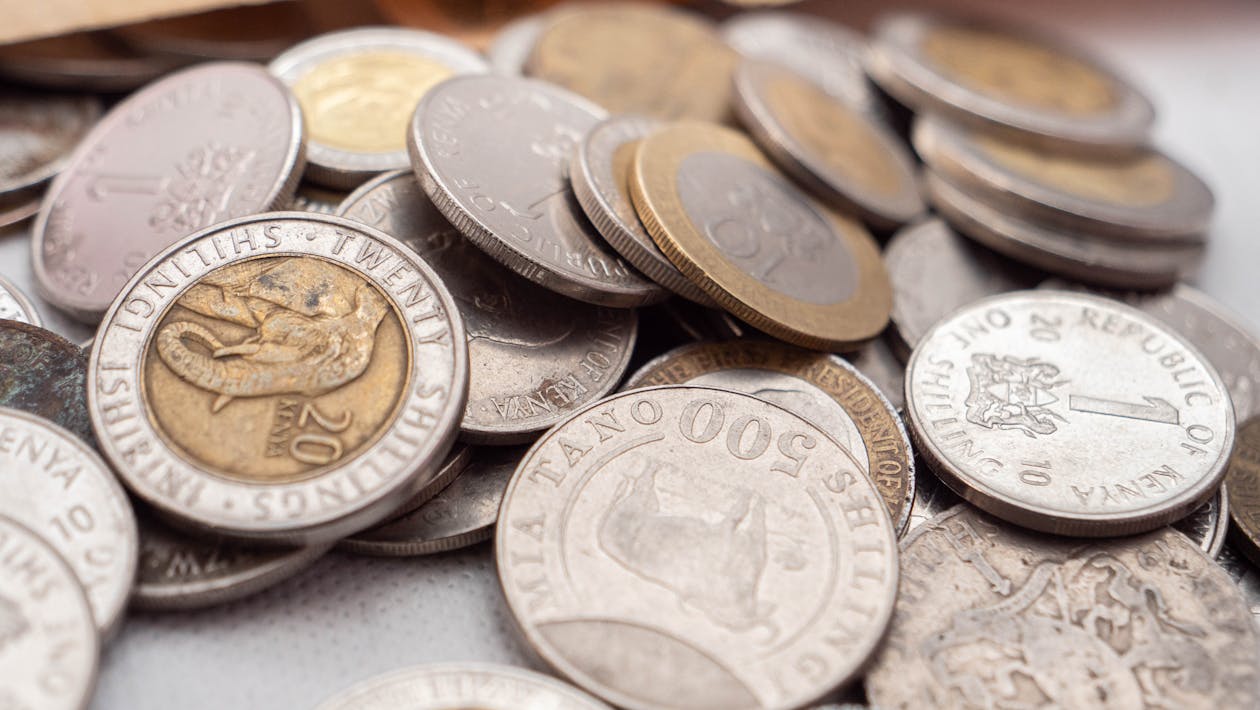
This guide compares the best money market funds in Kenya for 2026, breaks down their interest rates, fees, minimum investments, and withdrawal speeds, and walks you through exactly how to choose the right one for your financial goals.
In This Guide:
- What Is a Money Market Fund?
- Best Money Market Funds — Full Comparison
- Detailed Review of the Top 5 Funds
- How to Choose the Right Fund
- Why Rates Are Falling in 2026
- How to Start Investing (Step-by-Step)
- Taxes on MMF Returns
- MMFs vs Other Investments
- Common Mistakes to Avoid
- Frequently Asked Questions
What Is a Money Market Fund?
A money market fund is a type of unit trust that pools money from many investors and puts it into low-risk, short-term instruments. These instruments include Treasury bills issued by the Kenyan government, fixed bank deposits, commercial paper from established companies, and short-term bonds.
The Capital Markets Authority (CMA) of Kenya regulates all money market funds, which means your investment is protected by law. Fund managers must follow strict rules about where they invest your money, how they report returns, and how quickly they process withdrawals.
Unlike a fixed deposit at the bank where your money is locked for months, MMFs offer daily interest accrual and allow you to withdraw your money within 1–4 working days. Many funds now process same-day or next-day withdrawals straight to your M-Pesa.
Why MMFs Beat Traditional Savings Accounts
The average savings account in Kenya pays between 3% and 6% per year. The top money market funds are returning 9–12% effective annual yield as of April 2026. Here is how that difference compounds over time:
| Amount Invested | Savings Account (4%) | MMF (10%) | Difference After 1 Year |
|---|---|---|---|
| KSh 10,000 | KSh 10,400 | KSh 11,000 | KSh 600 extra |
| KSh 50,000 | KSh 52,000 | KSh 55,000 | KSh 3,000 extra |
| KSh 100,000 | KSh 104,000 | KSh 110,000 | KSh 6,000 extra |
| KSh 500,000 | KSh 520,000 | KSh 550,000 | KSh 30,000 extra |
The difference becomes even more dramatic over 3–5 years because of compounding — your interest earns interest.
Best Money Market Funds in Kenya — Full Comparison (April 2026)
The table below ranks the most popular money market funds in Kenya by their effective annual yield as of Q1 2026. Note that rates change regularly based on the underlying Treasury bill and fixed deposit rates set by the Central Bank of Kenya.
| Fund Name | Fund Manager | Effective Annual Yield | Net Return (After Tax) | Min. Investment | Withdrawal Speed |
|---|---|---|---|---|---|
| Arvocap MMF | Arvocap | ~11.8–12.1% | ~9.5–10.0% | KSh 1,000 | 2–3 days |
| Cytonn MMF | Cytonn Asset Managers | ~11.8–11.9% | ~9.5–10.0% | KSh 100 | 2–3 days |
| Gulfcap MMF | GulfCap Investment Bank | ~9.1–12.5% | ~7.7–10.6% | KSh 1,000 | 2–3 days |
| Kuza MMF | Kuza Asset Management | ~10.4% | ~8.9% | KSh 0 | 2 weeks lock-in |
| Ziidi MMF | Safaricom/Enwealth | ~10.5% | ~8.9% | KSh 100 | Same day (M-Pesa) |
| Nabo Africa MMF | Nabo Capital | ~9.3% | ~7.9% | KSh 1,000 | 1–2 days |
| Britam MMF | Britam Asset Managers | ~9.0–10.0% | ~7.7–8.5% | KSh 1,000 | 1–2 days |
| Jubilee MMF | Jubilee Financial Solutions | ~8.5% | ~7.2% | KSh 5,000 | 2–3 days |
| Madison MMF | Madison Investment Managers | ~8.2% | ~7.0% | KSh 1,000 | 2–3 days |
| Old Mutual Zimele MMF | Old Mutual Kenya | ~8.2% | ~7.0% | KSh 100 | 1–2 days |
| Sanlam MMF | Sanlam Investments | ~8.0–9.0% | ~6.8–7.7% | KSh 1,000 | 1–2 days |
| CIC MMF | CIC Asset Management | ~8.0% | ~6.8% | KSh 1,000 | 2–3 days |
| NCBA MMF | NCBA Investment Bank | ~7.5–8.5% | ~6.4–7.2% | KSh 1,000 | 1–2 days |
| ICEA Lion MMF | ICEA Lion Asset Management | ~7.5–8.0% | ~6.4–6.8% | KSh 5,000 | 2–3 days |
Important: The “effective annual yield” is the gross return before withholding tax. All MMF income in Kenya is subject to a 15% withholding tax deducted automatically by the fund manager. The “net return” column shows approximately what you actually receive.
Detailed Review of the Top 5 Money Market Funds
1. Arvocap Money Market Fund — Best for High Returns
Arvocap has consistently ranked among the top two highest-yielding money market funds in Kenya throughout 2025 and into 2026. The fund’s effective annual yield has remained in the 11.8–12.1% range, translating to roughly 10% net returns after the 15% withholding tax.
Who it’s best for: Investors with at least KSh 1,000 who want the highest possible returns and are comfortable with a smaller, boutique fund manager rather than one of the big-name banks.
How to invest: Register through the Arvocap website or visit their offices in Nairobi. Top-ups and withdrawals are available via M-Pesa and bank transfer.
2. Cytonn Money Market Fund — Best for Beginners
Cytonn’s MMF is one of the most accessible in Kenya with a minimum investment of just KSh 100 — the same cost as a loaf of bread. Despite the low entry point, the fund has consistently delivered yields above 11%, making it one of the highest-paying MMFs available.
Who it’s best for: First-time investors, students, and anyone who wants to start small and build the habit of investing. The Cytonn app makes it easy to deposit and track your earnings from your phone.
How to invest: Download the Cytonn app from Google Play Store or App Store, complete KYC registration with your ID and KRA PIN, and deposit via M-Pesa. The entire process takes about 15 minutes.
3. Gulfcap Money Market Fund — Best for Aggressive Growth
Gulfcap made headlines in early 2026 when it topped all Kenyan MMFs with a 12.47% yield in February. The fund allocates heavily to high-quality, short-term Treasury bills and uses a focused risk management strategy that has delivered above-average returns.
Who it’s best for: Investors who want top-tier returns and are comfortable with a newer fund manager that has quickly built a strong reputation. The minimum investment of KSh 1,000 keeps it accessible.
How to invest: Register through the GulfCap Investment Bank portal or M-Pesa. Contact them directly at their Nairobi office for institutional accounts.
4. Ziidi Money Market Fund — Best for M-Pesa Users
Ziidi is the money market fund built directly into Safaricom’s M-Pesa ecosystem. Launched in early 2025, it has grown explosively — assets under management surged over 1,000% to KSh 15.1 billion by mid-2026, with over 1.15 million active customers.
The yield of approximately 10.5% is not the highest on the market, but Ziidi’s real advantage is convenience. You invest and withdraw entirely through M-Pesa with no separate app, no office visits, and same-day liquidity. The minimum investment is just KSh 100.
Who it’s best for: Anyone already using M-Pesa daily who wants their idle money to earn interest without the friction of opening a separate investment account. If convenience matters more than squeezing out an extra 1–2% in yield, Ziidi is hard to beat.
How to invest: Open M-Pesa on your phone, go to “Grow” or “Invest” in the M-Pesa menu, select Ziidi, accept the terms, and deposit. The whole process takes under 5 minutes.
5. Kuza Money Market Fund — Best for Zero Minimums
Kuza stands out with a minimum initial investment of KSh 0 and top-ups from just KSh 50. The fund has delivered a consistent 10.4% effective annual yield in early 2026, placing it in the upper half of all Kenyan MMFs.
Who it’s best for: Absolute beginners who want to test the waters of investing with as little as KSh 50. The fund is managed by Kuza Asset Management and is CMA-regulated.
How to invest: Register on the Kuza Africa website or through their app. Note the 2-week lock-in period on new deposits — this is a trade-off for the zero-minimum entry point.
How to Choose the Right Money Market Fund
With over 25 licensed MMFs in Kenya, finding the best money market funds in Kenya for your situation comes down to five factors:
1. Interest Rate (Yield)
When comparing the best money market funds in Kenya, this is what most people look at first, and for good reason — it directly determines how much you earn. But do not chase rates blindly. A fund offering 12% this month might drop to 9% next month depending on Treasury bill rates.
Look at consistency over 6–12 months rather than a single month’s figure. Funds like Cytonn and Arvocap have maintained top-3 positions for extended periods, which matters more than a one-time spike.
2. Minimum Investment
Some of the best money market funds in Kenya have very low minimums. If you are starting with a small amount, your options narrow to funds like Cytonn (KSh 100), Ziidi (KSh 100), Old Mutual Zimele (KSh 100), or Kuza (KSh 0). If you have KSh 5,000 or more to invest, most funds on the market are available to you.
3. Withdrawal Speed and Liquidity
Even among the best money market funds in Kenya, withdrawal speeds vary. How quickly can you access your money in an emergency? Some funds process M-Pesa withdrawals within hours (Ziidi), while others take 2–4 working days. If your MMF doubles as your emergency fund, withdrawal speed is critical.
4. Fund Manager Reputation and Size
When choosing the best money market funds in Kenya, consider that larger fund managers like Britam, Old Mutual, CIC, and Sanlam have decades of track record and manage hundreds of billions of shillings. Smaller managers like Arvocap and Gulfcap may offer higher rates but come with slightly higher counterparty risk. Both categories are CMA-regulated, but size provides an extra layer of comfort.
5. Fee Structure
All the best money market funds in Kenya charge a management fee, typically 1–2% per year, which is already deducted before the yield is reported to you. Some funds also charge entry fees, exit fees, or switching fees. Always confirm the total fee structure before investing — the advertised yield should be net of management fees.
Understanding MMF Rates: Why They Are Falling in 2026
If you are wondering why MMF rates have been declining, the answer lies with the Central Bank of Kenya (CBK). The CBK’s Monetary Policy Committee has cut the Central Bank Rate (CBR) ten consecutive times since August 2024, bringing it down by a total of 425 basis points to 8.75% as of April 2026.
When the CBK cuts rates, Treasury bill yields fall. Since MMFs invest heavily in Treasury bills, their returns drop accordingly. The 91-day Treasury bill was yielding around 8.27% in April 2026, compared to 16–17% at the peak in 2024.
What this means for you: MMF returns are still significantly higher than savings account rates, but the gap is narrowing. If rates continue falling, the advantage of MMFs over fixed deposits and savings accounts will shrink. This makes it even more important to pick a high-performing fund that consistently delivers above-average returns.
How to Start Investing in a Money Market Fund (Step-by-Step)
Step 1: Gather Your Documents
You will need your Kenyan national ID or passport, your KRA PIN certificate (you can get this free at itax.kra.go.ke), and a passport-sized photo. Some funds also require proof of address.
Step 2: Choose Your Fund
Use the comparison table above to shortlist 2–3 funds based on your priorities (high yield, low minimum, fast withdrawals, or trusted brand name).
Step 3: Register
Most funds allow online registration through their website or app. You will fill in personal details, upload your ID and KRA PIN, and complete a risk assessment questionnaire. This typically takes 10–20 minutes.
For Ziidi, the process is even simpler — activate directly through M-Pesa in under 5 minutes.
Step 4: Deposit Your First Amount
Send your initial investment via M-Pesa (most common), bank transfer, or cheque. Your money starts earning interest from the next business day after your deposit clears.
Step 5: Set Up Regular Contributions
The real power of the best money market funds in Kenya is in consistent, regular investing. Even KSh 500 per week adds up to KSh 26,000 per year plus interest. Many fund apps allow you to set up automatic deposits from M-Pesa or your bank account on a schedule.
Taxes on Money Market Fund Returns in Kenya
Income from even the best money market funds in Kenya is classified as interest income and is subject to a 15% withholding tax. This tax is deducted automatically by the fund manager — you do not need to file anything separately with KRA for this.
For example, if your fund earns a gross return of 10%, the net return after withholding tax is approximately 8.5%. The comparison table above includes net return estimates for each fund.
Do you still need to declare MMF income on your KRA returns? Yes. Even though the withholding tax is deducted at source, you should declare your MMF income in your annual tax return on iTax. The withholding tax already paid is credited against your total tax liability, so you will not be double-taxed.
MMFs vs Other Investment Options in Kenya
Now that you know the best money market funds in Kenya, how do they compare to other places you can put your money?
| Investment | Expected Return (2026) | Risk Level | Liquidity | Minimum |
|---|---|---|---|---|
| Savings Account | 3–6% | Very Low | Instant | KSh 0 |
| Money Market Fund | 8–12% | Low | 1–4 days | KSh 0–5,000 |
| Treasury Bills (Direct) | 7.4–8.3% | Very Low | 91–364 days lock-in | KSh 100,000 |
| Fixed Deposit | 7–10% | Low | 3–12 months lock-in | KSh 10,000–100,000 |
| SACCO Deposits | 8–12% | Medium | Varies | Varies |
| NSE Stocks | -10% to +30%+ | High | 3 days (T+2) | ~KSh 100 (via Ziidi Trader) |
The best money market funds in Kenya sit in the sweet spot between safety and returns. They offer better returns than savings accounts and T-bills, with far more liquidity than fixed deposits. They are not going to make you rich overnight like a well-timed stock trade, but they will never lose your principal either.
If you want to start investing in NSE stocks alongside your MMF, read our guide on how to buy shares on M-Pesa using Ziidi Trader.
Common Mistakes to Avoid with Money Market Funds
Even the best money market funds in Kenya can fluctuate. Chasing the highest rate without checking consistency. A fund that returns 12% one month and 7% the next is less reliable than one that consistently delivers 10%. Look at the 6-month or 12-month average, not just this week’s yield.
Keeping too much in one fund. There is nothing wrong with splitting your money between two or three MMFs. This diversifies your risk across different fund managers and gives you flexibility if one fund’s rates drop.
Treating your MMF like a current account. Frequent withdrawals disrupt compounding and may trigger exit fees with some funds. Keep a separate M-Pesa float for daily expenses and let your MMF balance grow undisturbed.
Ignoring the lock-in period. Some funds like Kuza have a 2-week lock-in on new deposits. If you might need the money urgently, choose a fund with same-day or next-day liquidity like Ziidi.
Not setting up automatic contributions. To get the most from the best money market funds in Kenya, automate your contributions. Manual investing relies on willpower, which fades. Automatic monthly deposits turn investing into a habit and take advantage of shilling-cost averaging.
Frequently Asked Questions About Money Market Funds in Kenya
Are money market funds safe in Kenya?
Yes. The best money market funds in Kenya are all regulated by the Capital Markets Authority (CMA) of Kenya and must follow strict rules on where they invest. Because MMFs put money into government Treasury bills and bank deposits, the risk of losing your principal is extremely low. However, they are not insured by the Kenya Deposit Insurance Corporation (KDIC) the way bank deposits are.
Can I lose money in a money market fund?
In theory, yes — if the underlying investments default. In practice, this is very rare because MMFs invest in government securities and deposits at licensed banks. No Kenyan MMF has ever failed to return investor principal. The main risk is that returns may fall below inflation during periods of aggressive rate cuts.
How much tax do I pay on MMF returns?
For all the best money market funds in Kenya, a flat 15% withholding tax is deducted automatically by the fund manager on all interest earned. If your MMF earns KSh 1,000 in interest, KSh 150 goes to KRA and you receive KSh 850.
Can I invest in a money market fund with M-Pesa?
Yes. Most MMFs in Kenya accept deposits via M-Pesa. Ziidi is the most seamless since it is built directly into the M-Pesa ecosystem. Other funds like Cytonn, Britam, Old Mutual, and Kuza also accept M-Pesa deposits through their apps or paybill numbers.
How much do I need to start investing in a money market fund?
As little as KSh 0 (Kuza) or KSh 100 (Cytonn, Ziidi, Old Mutual Zimele). Most other funds require KSh 1,000 to KSh 5,000 as a minimum first deposit.
How quickly can I withdraw money from an MMF?
Withdrawal processing times range from same-day (Ziidi via M-Pesa) to 1–4 working days for most other funds. Always check the specific withdrawal policy of your chosen fund, especially if your MMF doubles as your emergency fund.
What is the difference between effective annual yield and daily yield?
The effective annual yield is the total return you would earn if you left your money invested for a full year at the current rate. The daily yield is the small fraction of that annual return credited to your account each day. For example, a 10% annual yield translates to roughly 0.027% per day.
Should I invest in one MMF or spread across several?
If you are investing under KSh 100,000, one well-chosen fund is perfectly fine. Above that amount, splitting between two or three funds gives you diversification across different fund managers and investment strategies. This protects you if one fund’s performance dips significantly.
What Is Next for MMF Rates in Kenya?
What does the future hold for the best money market funds in Kenya? The CBK held the Central Bank Rate steady at 8.75% in its April 2026 meeting after ten consecutive cuts. This pause signals that the aggressive rate-cutting cycle may be over, which means MMF rates could stabilize around current levels for the rest of 2026.
If inflation picks up again, the CBK may even reverse course and raise rates, which would push MMF yields higher. For now, locking in your investment at current levels is a smart move — you are still earning significantly more than savings accounts and fixed deposits.
Prefer income from shares rather than a fund? See our guide to the best dividend stocks in Kenya.
Want higher, equity-driven returns and can handle the risk? See our review of the Arvocap Thamani Equity Fund.
One of the highest-yielding options is Etica: read our full review of the Etica Money Market Fund.
Want higher returns than an MMF and can take more risk? See how the top special fund did in our Mansa X H1 2026 performance update.
If you can leave your money invested a little longer and want a higher return, the best fixed income funds in Kenya are the natural next step up from a money market fund.
Worried about the shilling losing value? You can hold the same kind of fund in dollars instead. See our guide to the best dollar funds in Kenya for the USD options.
Prefer to hold some savings in a harder currency? Our guide on how to invest in US dollars from Kenya walks through the dollar options step by step.
For the latest monthly rankings by net return, see our updated list of the best performing money market funds in Kenya.
Saving for school fees through an insurer instead? Read what happens if you stop paying your education policy before you commit, and compare the cost with a fund.
Received a lump sum? See how to claim a life insurance payout in Kenya and where to park it safely.
One of the highest-yielding options is the Cytonn Money Market Fund, reviewed in full here.
The current market leader is the Nabo Africa Money Market Fund, now open from just KSh 10,000.
Wondering whether to step up for more yield? See our fixed income fund vs money market fund comparison.
Prefer a big, trusted brand? Read our honest Sanlam Money Market Fund review.
Saving for school fees? Compare a fund with an education policy in Kenya before you decide.
Saving for education? Read our guide to saving for school fees in Kenya and how a fund compares with a SACCO or policy.
New to investing? Start with our step-by-step guide on how to build an investment portfolio in Kenya.
If you are tempted by higher returns, it helps to know the trade-offs first: read our honest special fund vs money market fund comparison before you switch.
To project how much any of these funds would grow after the 15% tax, try our money market fund calculator.
Wondering whether to take more risk for growth? Read our equity fund vs money market fund comparison.
The bottom line: the best money market funds in Kenya for 2026 still offer significantly better returns than savings accounts. Start with what you have, choose a fund that matches your needs, set up regular contributions, and let compounding do the heavy lifting.
Related Reading on Sarafu
- How to Buy Shares on M-Pesa Using Ziidi Trader — Step-by-Step Guide
- Coming soon: How to Start Investing in Kenya with Just KSh 1,000
- Coming soon: Treasury Bills Kenya — How to Invest Directly
Disclaimer: The content on Sarafu is for educational and informational purposes only. It does not constitute financial, investment, or professional advice. All investments carry risk — the value of your investments can go down as well as up, and you may receive back less than you invest. Always do your own research and consider consulting a licensed financial advisor before making any investment decisions. Past performance is not a guarantee of future results.

1 Comment