To start trading in Kenya, you open an account with a regulated broker, choose a market you understand (shares on the Nairobi Securities Exchange, forex, or crypto), practise on a free demo first, then start with a small amount of money you can afford to lose. That is the short version. The honest version, which most adverts leave out, is that trading is high risk and the majority of beginners lose money before they make any. This guide walks you through how to start trading in Kenya the sensible way, step by step, and is upfront about the costs, the risks, and the scams to avoid.
Key takeaways
- Trading is legal in Kenya and regulated by the Capital Markets Authority (CMA). Only use a broker you can find on the CMA’s own register.
- You can realistically start with a few thousand shillings for NSE shares, but how much you risk matters far more than how much you start with.
- Most beginners lose money. Treat your first months as paid tuition, learn on a free demo account, and never trade money you need.
- Leverage (common in forex) magnifies losses as much as gains. It is the single biggest reason new traders blow up their accounts.
- Scams are everywhere in this space. Anyone promising guaranteed returns or “account management” is a red flag.
In this guide
Table of Contents
What Trading Actually Means (and How It Differs From Investing)
Trading means buying and selling financial assets to profit from price moves over a short period, sometimes minutes, sometimes weeks. Investing means buying good assets and holding them for years so they grow. Both can make money. They are not the same activity, and confusing them is where a lot of people go wrong.
A trader tries to buy low and sell higher again and again, often using charts and short-term news. An investor buys a solid company or fund and lets time and compounding do the work. Trading is more active, more stressful, and far riskier. It asks for time, discipline, and a stomach for losing streaks. If you want your money to grow quietly in the background, you may actually be looking for investing, not trading. We cover that difference properly later in this guide.
Is Trading Legal in Kenya?
Yes. Trading is legal in Kenya and the markets are regulated. The Capital Markets Authority (CMA) oversees the Nairobi Securities Exchange, stockbrokers, and online forex brokers. Online forex has been formally regulated since the Capital Markets (Online Foreign Exchange Trading) Regulations came into force, which means licensed brokers must hold client money properly and follow conduct rules.
The catch is that plenty of brokers advertising to Kenyans are not licensed here. Being legal to trade does not make every platform safe. Before you send anyone money, confirm the exact company name on your client agreement appears on the CMA’s licensee list. You can check the CMA Licensees Register and the Authority’s online forex broker list directly. If a broker is not on it, walk away.
Crypto sits in a newer bracket. Kenya now regulates virtual asset service providers under the Virtual Asset Service Providers Act, with licensing shared between the CMA and the Central Bank of Kenya. The rules and the taxes around crypto are still settling, so treat any figure you read as something to confirm on the KRA and CBK websites before you act (as of October 2026).
What You Can Trade From Kenya
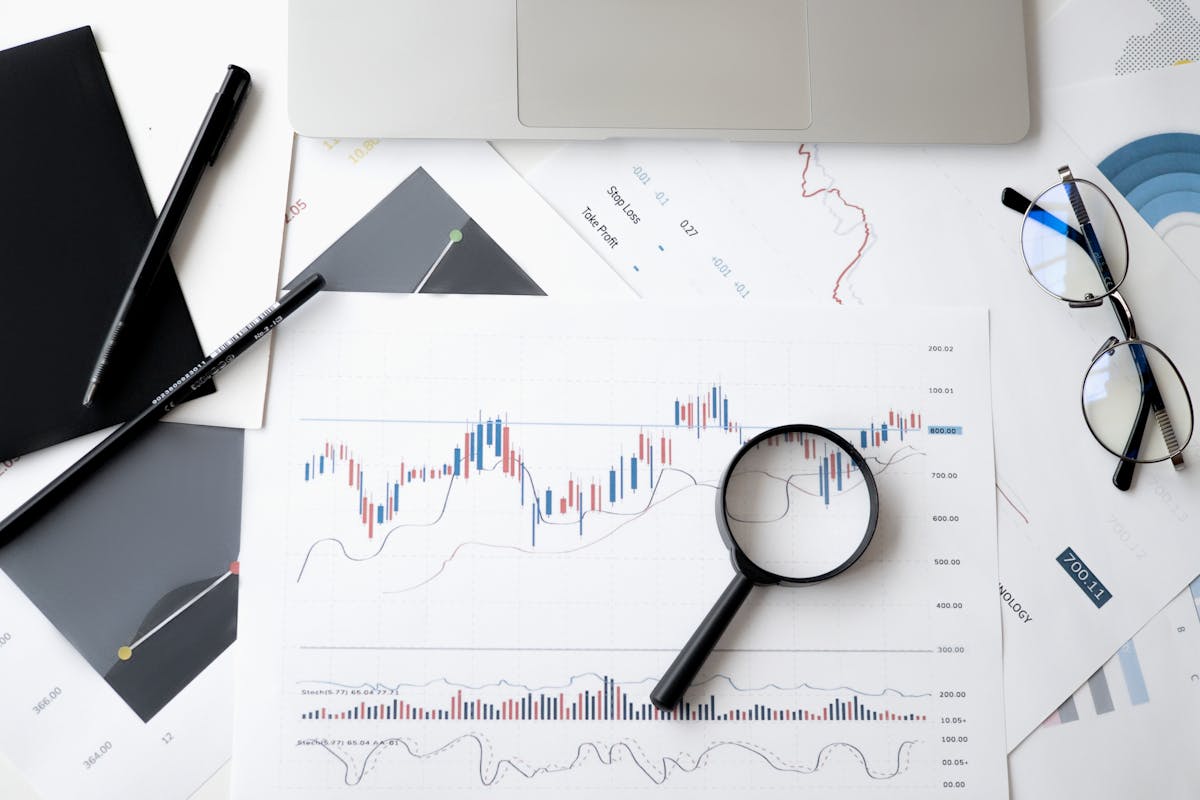
From Kenya, you have four main markets. Each has a different risk level and a different way in. Pick one to learn properly rather than dabbling in all four at once.
- Shares on the NSE. You buy part-ownership of listed Kenyan companies like Safaricom, Equity, or KCB. This is the most beginner-friendly and the easiest to hold long term. You trade through a licensed stockbroker.
- Forex (currency trading). You bet on one currency rising or falling against another, usually with leverage. High volume, high risk, and the most scam-heavy corner of the market. Only through a CMA-licensed forex broker.
- Crypto. You buy and sell digital assets like Bitcoin. Very volatile. Use only licensed virtual asset providers as the new rules roll out.
- NSE derivatives (NEXT). Futures contracts for more advanced traders. Not a starting point for beginners.
If you are brand new, shares on the NSE are the gentlest place to learn how markets move. Forex and crypto can wait until you understand risk, because they punish mistakes much faster.
The Honest Truth: Most Beginners Lose Money
This is the part the YouTube adverts skip. Across the world, most retail traders, especially in leveraged forex and CFDs, lose money. Not some. Most. The flashy lifestyle content you see is marketing, often from people who earn more from selling courses and signals than from trading itself.
That does not mean trading is a scam. It means the odds are against the unprepared, and the people who last are the ones who treat it as a skill to build slowly, not a shortcut to quick money. Go in expecting to lose your first deposit while you learn. If that thought is unbearable, the amount is too big, or trading is not for you yet. The goal early on is not profit. It is to survive long enough to get good.
How to Start Trading in Kenya: 6 Steps for Beginners
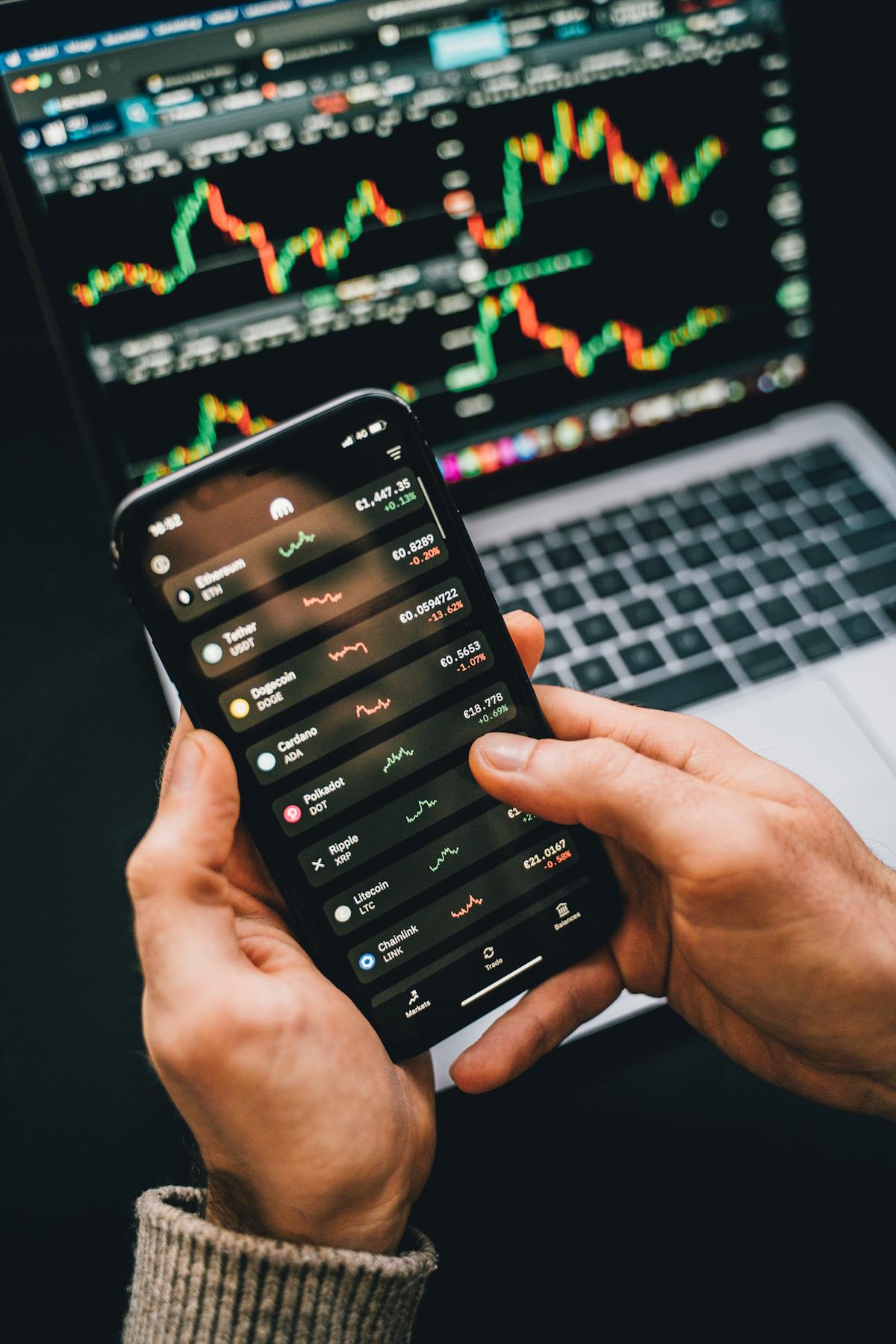
Here is how to start trading in Kenya without blowing up your account in the first month. Follow the order. Skipping the learning steps is exactly how beginners lose money.
Step 1: Decide what you want to trade, and why
Pick one market. If you want to build wealth slowly and sleep at night, start with NSE shares. If you are drawn to fast, short-term trading and understand it is high risk, forex or crypto might fit, but learn the risks first. Be honest about your goal: income, growth, or excitement. They lead to very different choices.
Step 2: Learn the basics before you risk a shilling
Understand how orders work, what a spread is, how leverage multiplies both gains and losses, and the basics of reading a chart. Most forex brokers offer a free demo account loaded with virtual money. Use it for weeks, not hours. If you cannot grow a demo account, real money will not magically behave differently. This step alone saves more beginners than any strategy.
Step 3: Choose a regulated broker or platform
For shares, pick a licensed stockbroker. For forex, pick a broker on the CMA’s online forex list. For crypto, use a licensed virtual asset provider. Check the exact legal name against the CMA register, read the fees, and confirm how you deposit and withdraw (most support M-Pesa or bank transfer). Never choose a broker purely from an advert or a WhatsApp group recommendation.
Step 4: Open and fund your account
To trade NSE shares you need a CDS account, which your stockbroker opens for you. You will typically provide your national ID, KRA PIN, a passport photo, and your bank or M-Pesa details. Approval usually takes a few business days. For forex and crypto, account opening is online and faster. Fund it with a small amount to begin. There is no prize for depositing big early.
Step 5: Start small and manage your risk
Risk only a tiny slice of your money on any single trade, often quoted as 1% to 2% by experienced traders. Use a stop-loss so a bad trade cannot wipe you out. Avoid high leverage while you are learning. The traders who survive are not the boldest, they are the ones who lose small and live to trade again.
Step 6: Keep records and stay on the right side of tax
Keep a simple log of every trade: what you bought, why, and the result. It is the fastest way to improve, and it makes tax season painless. Trading profits can be taxable, and the rules differ by market and change over time, so confirm your current obligations with KRA or a tax adviser rather than guessing.
How Much Money Do You Need to Start Trading in Kenya?
Less than most people think, and that is a trap. Low minimums make it easy to start before you are ready. Here is a realistic picture.
- NSE shares: you can begin with a few thousand shillings. A worked example: with KSh 10,000 you might buy roughly 500 shares of a stock priced at KSh 20, minus your broker’s commission.
- Forex: many brokers let you open with small deposits, but small accounts plus high leverage is how beginners lose fast. If you try it, start with money you are fully prepared to lose, say KSh 5,000 to KSh 10,000, as tuition.
- Crypto: you can buy a fraction of a coin, so even KSh 1,000 works to learn the mechanics.
The number that matters is not your starting balance. It is how much you are willing to lose while learning. Decide that figure first, and never top it up in anger after a bad run.
Costs, Fees and Taxes
Every trade costs something, and those costs quietly eat returns, especially if you trade often. Know them before you start.
- Stockbroker commission on NSE trades, charged on each buy and sell. Rates vary by broker, so compare and confirm the exact figure with yours before trading.
- The spread in forex and crypto, which is the gap between the buy and sell price. It is a cost even when the market does not move.
- Deposit and withdrawal fees on some platforms.
- Tax on profits, which depends on the market and changes with each Finance Act. Confirm current rules with KRA.
Because costs scale with how much you trade, overtrading is a silent account-killer. Fewer, better trades usually beat constant activity.
How to Avoid Trading Scams in Kenya
Trading attracts scammers because it mixes money, hope, and jargon. Protect yourself with a few simple rules that never fail you.
- Guaranteed returns are always a lie. No real trader can promise profit. Markets do not work that way.
- Never hand your money to an “account manager” or a signal group promising to trade for you. This is the most common forex con in Kenya.
- Check the licence. If the broker is not on the CMA register, it does not matter how good the website looks.
- Be suspicious of pressure. “Deposit now, offer ends today” is a sales trick, not an opportunity.
We go deeper in our guide on how to avoid forex scams in Kenya, which is worth reading before you deposit anywhere. The CMA also publishes public cautions against investment scams you can check.
Trading vs Investing: Which Is Right for You?
Here is the uncomfortable truth for many people who think they want to trade: they actually want their money to grow without the stress, which is investing. If you do not have hours to watch charts, or you know you would panic during a losing streak, trading may cost you more than it pays.
Calmer alternatives can build real wealth with far less risk. A money market fund gives you steady interest with easy access. Buying and holding solid NSE shares for the long term is investing, not trading, and historically rewards patience. A SACCO offers dividends and loans with none of the screen time. There is no shame in choosing the quieter path. For most Kenyans, it is the smarter one.
Honest Pros and Cons of Trading
The upsides
- Potential for faster returns than slow investing, if you are skilled and disciplined.
- You can start small and learn for free on a demo.
- Flexible: you can trade part time, from your phone.
- It teaches you real, lasting lessons about money, risk, and your own psychology.
The downsides
- Most beginners lose money, often their whole first deposit.
- Leverage can wipe you out in a single trade.
- It is stressful and time-consuming to do well.
- The space is full of scams and false “gurus”.
- Costs and taxes quietly reduce your returns.
Who it is not for: anyone trading money they need, anyone hoping to get rich quick, and anyone who cannot stomach losing. If that is you today, start with investing and come back to trading later, if at all.
Frequently Asked Questions
Can I start trading in Kenya with no experience?
Yes, but start on a free demo account and with money you can afford to lose. Learn how orders, spreads, and risk work before trading real money. Treat your first months as learning, not earning.
How much money do I need to start trading in Kenya?
You can start NSE shares with a few thousand shillings and crypto with as little as KSh 1,000. The more important number is how much you are willing to lose while you learn, which you should decide before you deposit anything.
Is forex trading legal in Kenya?
Yes. Online forex is legal and regulated by the Capital Markets Authority. However, many brokers advertising to Kenyans are not licensed here, so always confirm the broker appears on the CMA register before depositing.
Can you really make money trading?
Some people do, but most beginners lose money, especially in leveraged forex. It is a skill that takes time to build, not a quick way to get rich. Go in expecting to lose your first deposit while learning.
What is the safest way to start trading in Kenya?
Start with NSE shares through a licensed stockbroker, learn on a demo, risk only small amounts, use a stop-loss, and avoid high leverage. If you want growth without the stress, consider investing in a money market fund or SACCO instead.
The bottom line
Learning how to start trading in Kenya is the easy part: open a regulated account, pick one market, and begin small. Lasting at it is the hard part, and it rewards patience, honesty with yourself, and respect for risk. Start on a demo, only ever use licensed brokers, protect yourself from scams, and never trade money you cannot afford to lose. And if the calmer path of investing suits you better, that is not a failure. For most people, it is the wiser choice.
Disclaimer: The content on Sarafu is for educational and informational purposes only. It does not constitute financial, investment, or professional advice. Trading carries a high risk of loss, and most retail traders lose money. Prices, rules, fees and taxes mentioned are approximate and were correct at the time of writing (October 2026), and can change at any time. Always verify current figures and a broker’s licence on a live, official source such as the CMA, KRA, or CBK, and consider consulting a licensed financial advisor before making any decision. Never trade money you cannot afford to lose.
Explore the Rest of the Trading Cluster
Ready to go deeper? These honest, beginner-friendly guides cover every part of trading in Kenya:
- How to Start Forex Trading in Kenya
- Is Forex Trading Legal in Kenya?
- Is Trading Profitable? The Honest Truth
- Trading vs Investing: Which Is Right for You?
- Forex Trading for Beginners: How It Works
- Risk Management in Trading
- How Much to Start Forex Trading in Kenya
- Forex Demo Accounts Explained
- Leverage in Forex Trading
- How to Trade Shares on the NSE
- Technical Analysis for Beginners
- Trading Psychology
- Day Trading vs Swing Trading vs Long-Term
- How to Tell if a Forex Broker Is Legit
