
To trade shares on the NSE, you open a CDS account through a licensed stockbroker, fund it, then place buy and sell orders on the broker’s app or platform. Trading shares on the Nairobi Securities Exchange is one of the most accessible and beginner-friendly ways to grow money in Kenya, and far less risky than leveraged forex. This guide explains how to trade shares on the NSE step by step, what it costs, and the honest difference between trading and simply investing in shares.
Key takeaways
- You cannot buy directly from the exchange; you trade through a licensed stockbroker.
- You need a CDS account, which your broker opens for you.
- You place market or limit orders through the broker’s app.
- Shares settle on a T+3 basis, three business days after the trade.
- For most people, holding good shares long term beats active trading.
Table of Contents
What You Need to Trade Shares on the NSE
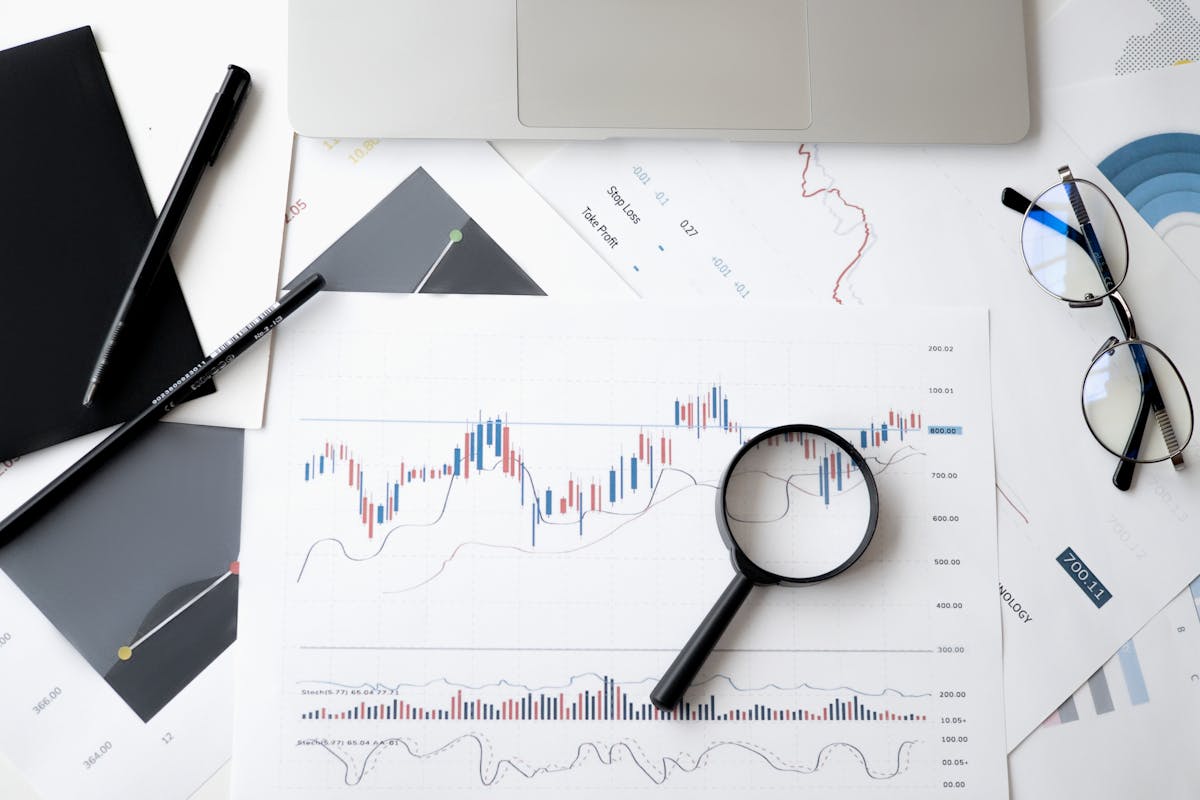
Before your first trade, you need three things: a CDS account to hold your shares electronically, a licensed stockbroker to place your orders, and money to invest. Your broker opens the CDS account for you when you register. You will usually provide your national ID, KRA PIN, a passport photo, and your bank or M-Pesa details.
How to Trade Shares on the NSE, Step by Step
- Choose a licensed stockbroker. Pick one regulated by the Capital Markets Authority, and compare commissions and app quality.
- Open a CDS account. Your broker handles this. Approval usually takes a few business days.
- Fund your account. Deposit money via bank transfer or M-Pesa.
- Research the shares. Decide what to buy and why, based on the company, not hype.
- Place your order. Use a market order to buy at the current price, or a limit order to set your price.
- Settle and track. Shares settle on a T+3 basis and then appear in your CDS account.
Market Orders vs Limit Orders
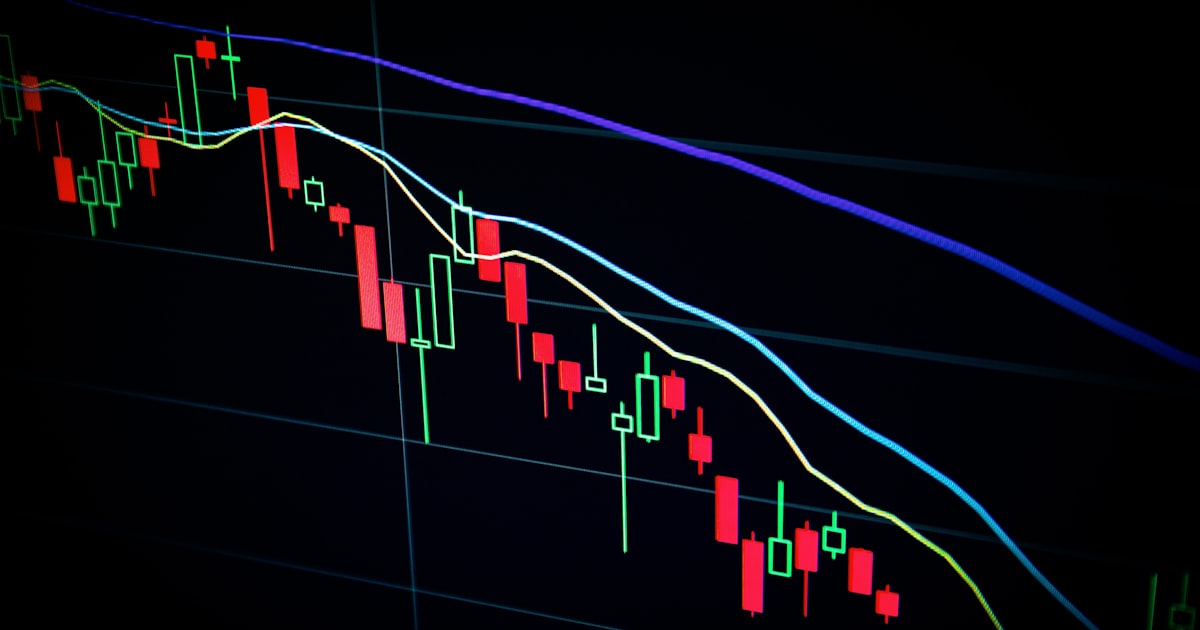
A market order buys or sells immediately at the best available price, which is simple but can fill at a slightly different price than you expect. A limit order lets you set the exact price you are willing to pay or accept, giving you control but no guarantee the trade fills. Beginners often start with market orders for liquid shares like Safaricom, then use limit orders as they grow more comfortable.
What It Costs to Trade Shares on the NSE
Your main cost is the stockbroker’s commission, charged on both buying and selling. Rates vary between brokers, so compare them and confirm the exact figure with yours before trading, since frequent trading means these costs add up quickly. Tax treatment of listed shares has changed over the years, so confirm the current position with KRA or your broker rather than assuming.
Trading vs Investing in Shares

Here is the honest nuance. Buying shares to flip them for short-term gains is trading, and it is hard, time-consuming and often disappointing. Buying solid companies and holding them for years is investing, and historically it rewards patience far more reliably. Most Kenyans are better served by the second approach. See our guides on the top NSE stocks to buy and buying shares in Kenya, and only use a broker on the Capital Markets Authority register.
For the full picture across every market, see our guide on how to start trading in Kenya.
The bottom line
Learning how to trade shares on the NSE is simple: open a CDS account with a licensed broker, fund it, and place your orders. The NSE is one of the safest, most accessible markets for Kenyans, especially compared with leveraged forex. Just remember that for most people, patiently investing in good shares beats frantically trading them.
Frequently Asked Questions
How do I start trading shares on the NSE?
Open a CDS account through a licensed stockbroker, fund it by bank transfer or M-Pesa, then place buy or sell orders on the broker\u2019s app. You cannot buy directly from the exchange.
What is a CDS account?
A Central Depository System account holds your shares electronically. Your stockbroker opens one for you using your ID, KRA PIN, a photo and your bank or M-Pesa details.
How much does it cost to trade shares on the NSE?
The main cost is the stockbroker\u2019s commission on each buy and sell. Rates vary by broker, so compare them and confirm the exact figure before trading.
Is trading shares on the NSE risky?
All share investing carries risk and prices can fall, but the NSE is far less risky than leveraged forex. For most people, holding good shares long term beats short-term trading.
Disclaimer: This content is for educational purposes only and is not financial advice. All investments carry risk and share prices can go down as well as up. Costs, settlement and tax rules were correct at the time of writing (October 2026) and can change. Always verify current figures with your broker, the CMA or KRA, and do your own research before investing.
