Life has a way of throwing curveballs when you least expect them. A hospital visit, a job loss, a broken phone you need for work, unexpected funeral contributions — these situations hit harder when you don’t have savings to fall back on. Building an emergency fund in Kenya is the single most important financial step you can take, even before investing.
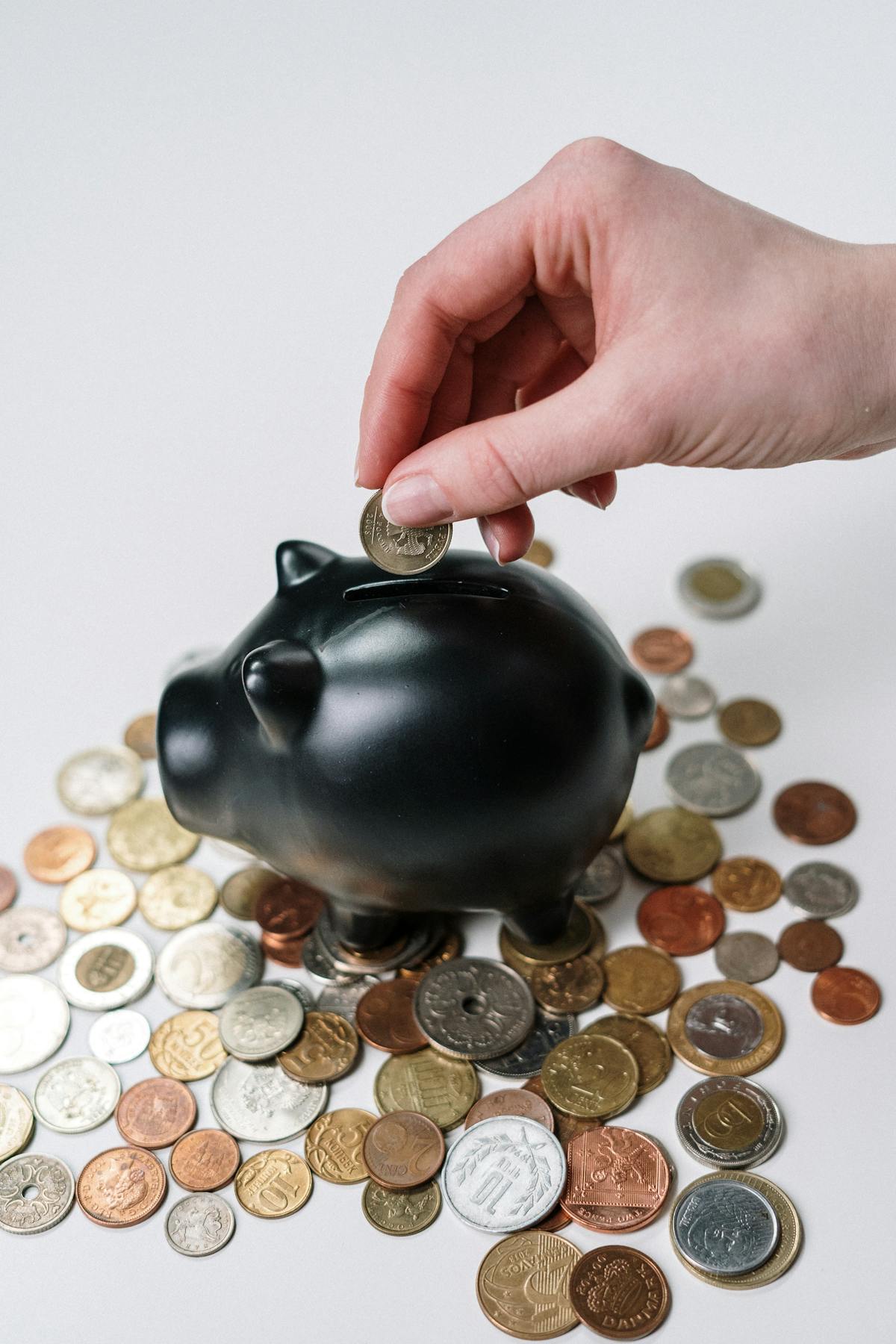
An emergency fund is your financial safety net. And yes, you can build one even on a KSh 30,000 salary. Here’s exactly how.
Why You Need an Emergency Fund in Kenya
An emergency fund is money set aside specifically for unexpected expenses or income disruptions. Your emergency fund is not for rent, not for that jacket you’ve been eyeing, and not for December holiday plans. It’s strictly for genuine emergencies.
Without one, most Kenyans turn to expensive options when a crisis hits: mobile loans from Tala, Branch, or Fuliza charging 15-30% interest per month; borrowing from friends and family (and the social debt that comes with it); or selling assets at a loss.
An emergency fund eliminates that cycle. It gives you the power to handle life’s surprises from a position of strength rather than desperation.
How Much Do You Need?
The standard advice is 3-6 months of essential expenses. On a KSh 30,000 salary, your essential monthly costs might look like:
| Expense | Monthly Cost |
|---|---|
| Rent | KSh 7,000 |
| Food & groceries | KSh 5,000 |
| Transport | KSh 2,500 |
| Utilities (water, electricity, gas) | KSh 1,500 |
| Phone airtime/data | KSh 1,000 |
| Total essential expenses | KSh 17,000 |
Your emergency fund targets:
- Starter goal (1 month): KSh 17,000
- Solid foundation (3 months): KSh 51,000
- Full protection (6 months): KSh 102,000
Don’t let the final number scare you. You don’t need KSh 102,000 tomorrow. You need to start today and build consistently.
The Step-by-Step Plan
Step 1: Find Your Savings Amount
On a KSh 30,000 salary, saving 20% means setting aside KSh 6,000 per month. If that feels impossible right now, start with whatever you can: KSh 2,000, KSh 1,000, even KSh 500. The amount matters less than the consistency.
Here’s a realistic timeline based on different savings rates:
| Monthly Savings | Time to 3-Month Fund (KSh 51,000) | Time to 6-Month Fund (KSh 102,000) |
|---|---|---|
| KSh 2,000 | ~24 months | ~44 months |
| KSh 3,000 | ~16 months | ~30 months |
| KSh 5,000 | ~10 months | ~19 months |
| KSh 6,000 | ~8 months | ~16 months |
*Timelines account for approximately 10% annual returns if saved in a money market fund
Step 2: Automate on Payday
The most important rule of building an emergency fund: pay yourself first. The day your salary hits, move your savings amount immediately — before you spend a shilling on anything else.
Set up an automatic transfer or standing order to move the money on the 1st of every month (or whenever you get paid). If you wait until the end of the month to “save what’s left,” you’ll save nothing. There’s never anything left.
Step 3: Choose the Right Home for Your Money
Your emergency fund needs to be:
- Accessible — You can get the money within 24-48 hours
- Earning interest — Not sitting idle losing value to inflation
- Separate from your daily spending — Out of sight, out of temptation
The best options for a Kenyan emergency fund:
Money Market Fund (Best option): Earning 10-12% annually with 1-2 day withdrawals. Options include Cytonn MMF (minimum KSh 100), Nabo Africa (KSh 100), or Arvocap (KSh 1,000). Your money grows significantly faster than inflation.
Ziidi MMF via M-Pesa: Lower returns (~6%) but instant withdrawal. Good for the first KSh 10,000-20,000 that you might need urgently at any time, day or night.
M-Shwari Lock Savings: You can lock money for a set period, which prevents impulse withdrawals. Useful for building discipline, but returns are modest.
Avoid: Keeping your emergency fund in your regular M-Pesa account (too easy to spend) or in a savings account earning 1-3% (losing to inflation).
Step 4: Protect Your Fund from Yourself
The biggest threat to your emergency fund isn’t the economy — it’s you. Here’s how to resist the temptation to dip into it:
Define what counts as an emergency: Job loss, medical emergency, urgent home repair, or a broken essential item (like a phone you need for work). A friend’s birthday, a sale at the mall, or a WhatsApp group contribution do NOT count.
Create friction: Keep the fund in an account that requires effort to withdraw from. If your money is one tap away in M-Pesa, it will disappear. A money market fund with a 1-2 day withdrawal period creates just enough friction to stop impulse spending.
Have a separate “fun” fund: If you deny yourself all pleasures, you’ll eventually crack and raid the emergency fund. Budget a small wants allocation (even KSh 2,000-3,000 monthly) so you don’t feel deprived.
Practical Ways to Find Extra Money to Save
If KSh 30,000 barely covers your expenses, here are realistic ways to free up more cash:
Cut the leaks
- Check your M-Pesa statement (dial *334#). You’ll likely find KSh 2,000-5,000 in small daily purchases you don’t even remember making.
- Review subscriptions: Are you paying for Netflix, Showmax, and Spotify? Pick one.
- Reduce “social spending” — those impromptu after-work drinks add up fast.
Reduce your biggest expense: Rent
- If rent is over 30% of your salary, consider moving to a more affordable area or getting a roommate.
- Moving from a KSh 10,000 apartment to a KSh 7,000 one saves KSh 36,000 per year — that’s almost a full 3-month emergency fund.
Boost your income
- Freelance skills you already have (writing, design, tutoring) on platforms like Upwork or Fiverr.
- Sell items you no longer need on Jiji or Facebook Marketplace.
- Offer weekend services: photography, baking, car washing, tutoring.
Redirect windfalls
When you receive unexpected money — tax refund, bonus, gift, or a side hustle payment — send at least 50% straight to your emergency fund. These windfalls can dramatically accelerate your timeline.
What to Do When You Use Your Emergency Fund
Using your emergency fund is not a failure — it’s exactly what the money is there for. But once you use it, rebuilding should become your immediate priority.
- Handle the emergency without guilt.
- Review how much you used and calculate the gap.
- Increase your monthly contribution temporarily to rebuild faster.
- Consider if the emergency was preventable (e.g., could insurance have covered it?).
Milestone Rewards: Keep Yourself Motivated
Saving consistently on a modest salary requires discipline. Celebrate your milestones to stay motivated:
- KSh 5,000 saved: You can handle a small emergency without borrowing. Treat yourself to something small (from your wants budget, not your fund).
- KSh 17,000 saved (1 month): You’ve hit your starter goal. You now have a full month of breathing room.
- KSh 51,000 saved (3 months): You’re ahead of 90% of Kenyans. You could survive a job loss while finding new work.
- KSh 102,000 saved (6 months): You’ve built real financial security. From here, you can start directing savings toward investments that grow your wealth.
Frequently Asked Questions
Should I save for an emergency fund or pay off debt first?
If you have high-interest mobile loans (Tala, Branch, Fuliza), prioritise paying those off since they charge 15-30% monthly interest. But keep saving at least KSh 1,000 per month for emergencies — even while paying debt. Without any cushion, the next emergency will push you right back into debt.
How do I save when I’m supporting family members?
Family obligations are real and important, but your own financial stability matters too. Be transparent with family: “I’m building an emergency fund so I can help the family better in a real crisis.” Save before distributing, and set boundaries on non-emergency support requests.
What if I can only save KSh 500 per month?
Save KSh 500. It will take longer to reach your goal, but it builds the habit. In 12 months, you’ll have KSh 6,000 plus interest — that’s not nothing. And as your income grows or expenses drop, you can increase the amount. The only wrong amount to save is zero.
Should I keep my emergency fund in USD to protect against shilling depreciation?
For most Kenyans on a KSh 30,000 salary, the added complexity and costs of maintaining a USD account aren’t worth it. The interest rates on KSh MMFs (10-12%) far exceed what you’d earn in USD savings (1-3%). Unless you have specific foreign expenses, keep your emergency fund in shillings.
The best time to start an emergency fund was the day you got your first job. The second best time is today. Even KSh 1,000 right now puts you ahead of where you were yesterday.
For tips on financial literacy, visit the Central Bank of Kenya resources.
Related: The 50/30/20 Budget Rule for Kenya | Best Money Market Funds in Kenya
To plan from your real net salary, check your take-home with our PAYE calculator.
