
Forex trading for beginners can feel like a foreign language, but the core idea is simple: you are buying one currency while selling another, hoping the exchange rate moves in your favour. The complications, and the danger, come from leverage, jargon and the flood of brokers and “mentors” competing for your deposit. This honest beginner’s guide explains how forex trading actually works, what the key terms mean, the real risks, and how to start the careful way if you decide it is for you.
Key takeaways
- Forex trading means betting on one currency rising or falling against another.
- Leverage lets you control a big position with little money, and it is the main reason beginners lose fast.
- Most retail forex traders lose money. Learn on a demo before risking real cash.
- Only use a broker licensed by the Capital Markets Authority.
- Start tiny, risk 1% to 2% per trade, and use a stop-loss.
Table of Contents
How Forex Trading Works
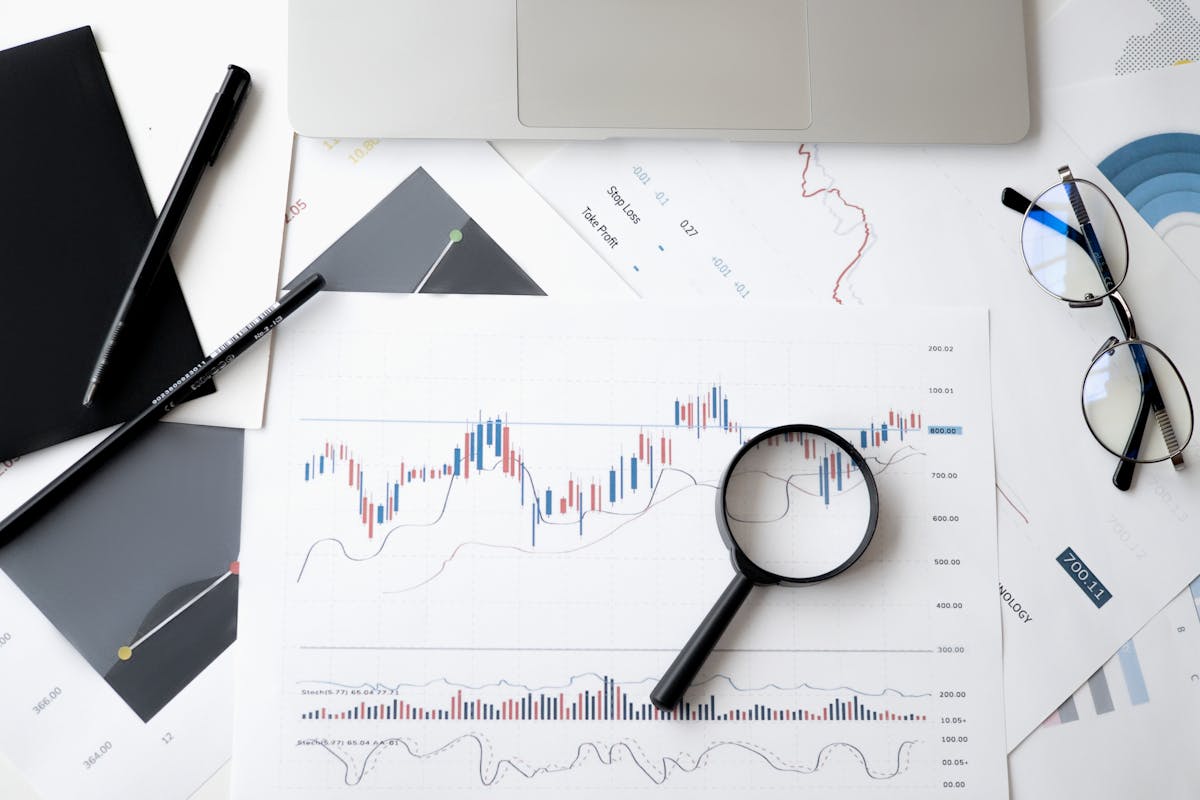
Currencies are always quoted in pairs, like EUR/USD or USD/KES. When you “buy” a pair, you are betting the first currency will strengthen against the second. If it does, you profit. If it weakens, you lose. Prices move in tiny units called pips, which is why traders use leverage to make those small moves meaningful.
You trade through a broker’s platform, usually on your phone or laptop. You pick a pair, choose your position size, set a stop-loss and take-profit, and place the trade. The broker makes money mostly from the spread, the small gap between the buy and sell price.
The Key Terms Every Beginner Must Know
- Pip: the smallest standard price move in a currency pair.
- Spread: the gap between buy and sell prices, a cost on every trade.
- Leverage: borrowing from the broker to control a larger position. 1:100 leverage means KSh 1,000 controls KSh 100,000.
- Lot: the size of your trade. Smaller lots mean smaller risk.
- Stop-loss: an order that closes a losing trade automatically to limit your loss.
- Margin: the money the broker sets aside to keep your leveraged trade open.
Why Leverage Is So Dangerous for Beginners

Leverage is the feature that makes forex exciting and the reason most beginners blow up. With 1:100 leverage, a 1% move against you can wipe out your entire deposit. Brokers advertise high leverage because it drives trading volume, not because it helps you. The single most protective habit a beginner can build is to use low leverage and small positions.
The Honest Risks
Here is what the adverts hide: the large majority of retail forex traders lose money. The polished lifestyle content is usually marketing from people who profit by selling you courses and signals. Forex is a skill that takes years, and your first months should be about learning and survival, not profit. The Capital Markets Authority regularly issues public cautions against investment scams in this space, so treat every “guaranteed returns” pitch as a red flag.
How to Start Forex Trading as a Beginner

- Learn the basics and the terms above until they feel natural.
- Open a free demo account and practise for weeks with virtual money.
- Choose a CMA-licensed broker and confirm it on the register.
- Fund a live account with a small amount you can afford to lose.
- Use low leverage, small lots, and a stop-loss on every trade.
- Keep a journal and review your trades to actually improve.
For a deeper walkthrough, see our full guide on how to start forex trading in Kenya, and before you deposit, read how to avoid forex scams in Kenya.
Is Forex Right for You?
Forex suits people with time, patience and a high tolerance for risk who treat it as a long skill. If you want your money to grow without the stress, a money market fund or long-term NSE shares may fit you far better. For the full picture across every market, start with how to start trading in Kenya.
The bottom line
Forex trading for beginners is learnable, but it is high risk and most newcomers lose money, mainly because of leverage. Learn the terms, practise on a demo, use only a CMA-licensed broker, keep leverage low, and never trade money you cannot afford to lose. Go in to learn first, and let profit come later, if at all.
What Forex Trading Means for a Beginner
Forex trading is the buying and selling of one currency against another, trying to profit as the exchange rate moves. When you trade the EUR/USD pair, for example, you are betting on whether the euro will strengthen or weaken against the US dollar. For a beginner, the key thing to understand is that forex trading is a skill with a steep learning curve, not a shortcut to quick money, and most people who rush in lose their first deposit.
How a Forex Trade Actually Works
Every forex trade involves a currency pair, a direction, and a size. You go long if you think the first currency will rise, or short if you think it will fall. Prices move in tiny increments called pips, and your profit or loss is the number of pips multiplied by your position size. Grasping this simple mechanic is the real starting point of forex trading, long before any fancy strategy.
The Role of Leverage and Risk
Leverage lets you control a big position with a small deposit, and it is the single biggest reason beginners blow up at forex trading. It magnifies both gains and losses, so a small move against an over-leveraged position can wipe out an account fast. The fix is simple to say and hard to do: trade small, use a stop-loss, and never risk more than 1% of your account on a single trade.
A Worked Example: Your First Small Trade
Imagine you start forex trading with KSh 20,000 and risk 1% per trade, or KSh 200. You open a micro-lot position with a stop-loss set so that, if wrong, you lose only that KSh 200. If the trade works, you might make a similar amount or more; if it fails, the loss is small and survivable. Repeating this disciplined process, not chasing one big win, is what separates lasting traders from gamblers.
Choosing a Safe Broker
Before any forex trading, make sure your broker is licensed by the Capital Markets Authority. Kenya’s forex space is full of unregulated and offshore operators, and some are outright scams. A regulated broker is not a guarantee of profits, but it dramatically lowers the risk of being cheated out of your deposit. Checking for a licence is the cheapest insurance in forex trading.
Start on Demo, Then Go Small
The safest path into forex trading is to practise on a free demo account for two to three months, then move to a live account with a tiny amount you can afford to lose. This lets you learn the platform and your own temperament without real risk, then bridge to live trading gently rather than diving in with your savings.
The Honest Odds for Beginners
Finally, go in clear-eyed: most retail traders lose money at forex trading, especially in the first year. That is not a reason to avoid it entirely, but it is a reason to treat early losses as tuition, trade small, and measure success by survival and discipline rather than quick profit. The beginners who approach forex trading this way are the ones still trading a year later.
Frequently Asked Questions
What is forex trading for beginners in simple terms?
It means buying one currency while selling another, betting the exchange rate moves in your favour. You trade pairs like EUR/USD through a broker, usually with leverage.
Is forex trading good for beginners?
It is high risk. Most beginners lose money, mainly because of leverage. If you try it, learn on a demo first, use low leverage and only risk money you can afford to lose.
How much do beginners need to start forex trading?
Many brokers allow small deposits, but treat your first deposit as tuition. A realistic range is KSh 5,000 to KSh 10,000 that you are prepared to lose while learning.
What is leverage in forex?
Leverage lets you control a large position with a small amount of money. For example, 1:100 leverage means KSh 1,000 controls KSh 100,000. It multiplies losses as fast as gains, which is why it is dangerous for beginners.
Disclaimer: This content is for educational purposes only and is not financial advice. Forex trading carries a high risk of loss, and most retail traders lose money. Rules, fees and leverage limits were correct at the time of writing (October 2026) and can change. Always verify a broker’s licence on the CMA website and never trade money you cannot afford to lose.
