
Trading vs investing is one of the most important choices you will make with your money, and most people pick wrong because they confuse the two. Trading means buying and selling often to profit from short-term price moves. Investing means buying good assets and holding them for years so they grow. Trading is faster, riskier and far more hands-on. Investing is slower, calmer and, for most Kenyans, more likely to build real wealth. This guide helps you decide which one actually fits you.
Key takeaways
- Trading is short-term and active. Investing is long-term and patient.
- Most beginner traders lose money. Most long-term investors do fine.
- Trading needs time, skill and a high tolerance for risk and stress.
- Investing needs patience and consistency, not constant screen time.
- For most people, investing is the smarter default. You can always trade a small side amount.
Table of Contents
Trading vs Investing: The Core Difference
The difference between trading vs investing comes down to time and intent. A trader is trying to profit from price movements over minutes, days or weeks. An investor is buying a stake in something valuable, a company or a fund, and letting time and compounding grow it over years.
A trader asks “where is the price going next?” An investor asks “is this a good asset to own for the next decade?” Those are completely different questions, and they call for different skills, temperaments and amounts of time.
What Trading Involves
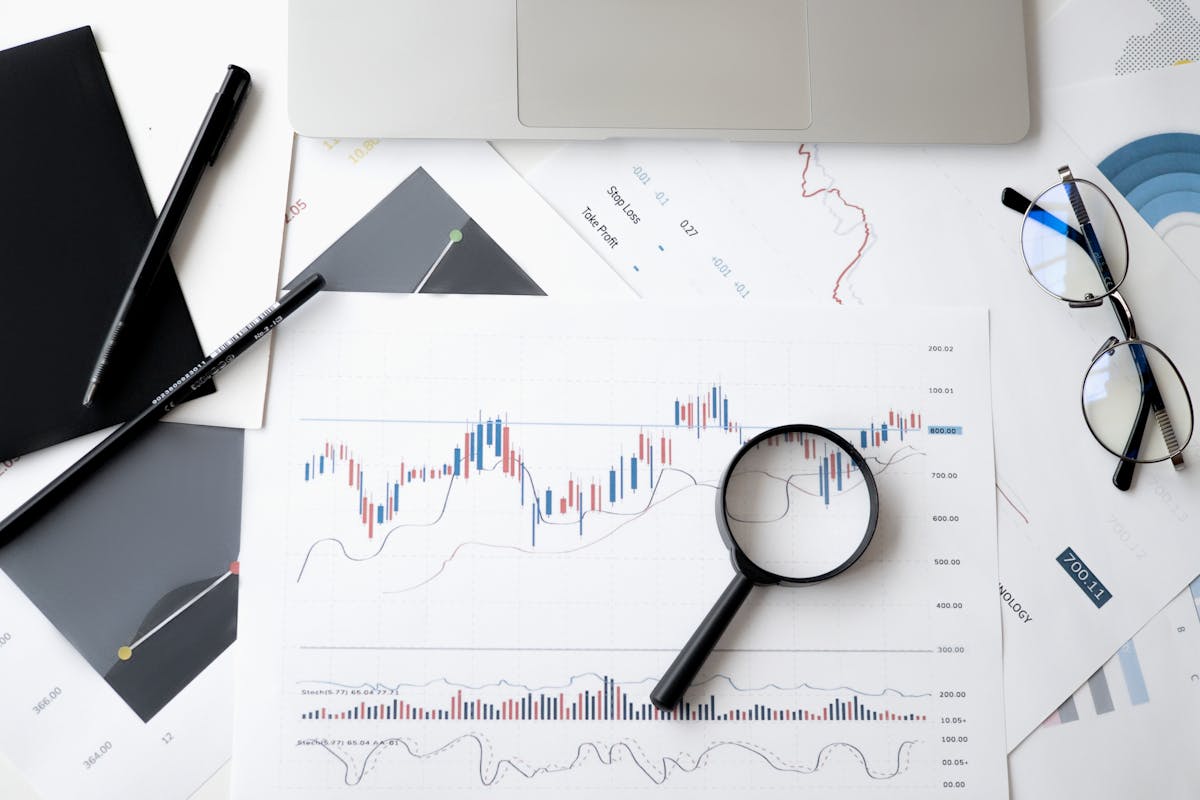
Trading is active work. You watch charts, follow news, and make frequent decisions, often using leverage to amplify small moves. The potential upside is faster returns. The reality is that most retail traders lose money, mainly because leverage and emotion punish mistakes quickly.
Trading suits people who have time, enjoy analysis, can stay calm under pressure, and genuinely treat it as a skill to build over years. It does not suit anyone who needs the money, wants passive growth, or is hoping to get rich quickly.
What Investing Involves

Investing is patient and mostly passive. You put money into quality assets and leave it to grow, adding more over time. You are not trying to time the market, just to own good things for long enough that compounding does the heavy lifting. Historically, this approach rewards patience far more reliably than short-term trading.
In Kenya, common investing routes include a money market fund for steady interest, long-term NSE shares, government Treasury bills, and SACCOs. None of them need you to watch a screen all day.
Trading vs Investing: Side by Side
- Time horizon: trading is minutes to weeks; investing is years.
- Effort: trading is active and demanding; investing is mostly hands-off.
- Risk: trading is high, often amplified by leverage; investing is lower and spreads over time.
- Skill needed: trading needs a lot; investing needs patience and consistency.
- Typical outcome: most beginner traders lose; most long-term investors grow their money.
Which One Is Right for You?

Be honest about three things: how much time you have, how you handle losing money, and your goal. If you want steady, lower-stress growth and do not want a second job, investing is your answer. If you have time, enjoy markets, can stomach losses, and want to build a skill over years, you might trade, ideally with a small amount while most of your money stays invested.
Whatever you choose, use regulated providers. The Capital Markets Authority licenses the brokers and funds you should be using, and checking that first protects you from the scams that target both traders and investors.
Can You Do Both?
Yes, and many sensible people do. A common approach is to keep the bulk of your money invested for the long term, then set aside a small amount you can afford to lose for trading. That way, if the trading does not work out, which it often does not for beginners, your long-term wealth is untouched. If you want to explore trading, start with our guide on how to start trading in Kenya.
The bottom line
In the trading vs investing debate, there is no single right answer, only the right answer for you. Trading can pay for the skilled and disciplined few, but for most Kenyans, patient investing is the calmer, safer and more reliable way to build wealth. If in doubt, invest first, and only trade with money you can afford to lose.
Trading vs Investing: The Core Difference in One Minute
The simplest way to hold the trading vs investing question in your head is this: an investor buys an asset and waits years for it to grow, while a trader tries to profit from price moves over minutes, days, or weeks. An investor in Kenya might buy Safaricom shares or a money market fund and leave the money to compound. A trader might buy and sell the same share several times in a month, trying to catch each swing. Same markets, completely different time horizons, skill sets, and stress levels.
How Much Time Each One Really Takes
This is where most beginners misjudge the trading vs investing choice. Investing is close to passive: a few hours to set up, then a review every few months. Trading is a part-time job at least. You watch charts, manage open positions, and keep your emotions in check while real money moves against you. If you have a demanding job and little free time, that alone often settles the trading vs investing decision in favour of investing.
Which One Actually Makes Money for Beginners
Honestly, for most Kenyans, investing is the surer path to real wealth. Study after study shows the large majority of retail traders lose money, especially in leveraged markets like forex. Investing is slower and less exciting, but it quietly compounds. A KSh 100,000 investment growing at a steady rate for ten years can turn into a meaningful sum with almost no daily effort. Trading can beat that, but only for a disciplined minority who treat it as a serious skill, not a shortcut.
A Worked Example: KSh 50,000, Two Paths
Say you have KSh 50,000. The investing path puts it in a diversified fund or blue-chip shares and leaves it to grow, with the main risk being market dips you ride out. The trading path uses it as risk capital, aiming for frequent gains but exposed to fast, total loss if you over-leverage. The investor’s worst realistic year might be a paper loss they recover; the undisciplined trader’s worst week can be a wiped account. That asymmetry is the heart of the trading vs investing debate.
Can You Do Both?
Yes, and many sensible people do. A common approach is to build your core wealth through investing, then set aside a small slice, money you can genuinely afford to lose, to learn trading on the side. That way the trading vs investing question stops being either-or: your long-term security sits in investments, while trading becomes a skill you develop slowly without risking your future on it.
The Bottom Line for Kenyans
If you only have time, patience, and a long horizon, investing is almost certainly the better fit, and it should be the foundation for nearly everyone. Trading suits a smaller group: people with time to learn, money they can afford to lose, and the temperament to follow rules under pressure. When you frame trading vs investing around your own life rather than someone else’s highlight reel, the right answer usually becomes clear.
Frequently Asked Questions
What is the difference between trading and investing?
Trading is buying and selling often to profit from short-term price moves. Investing is buying good assets and holding them for years to grow. Trading is faster and riskier; investing is slower and calmer.
Is trading or investing better for beginners?
For most beginners, investing is better. It has better odds, needs less time and skill, and is far less stressful. Most beginner traders lose money, especially with leverage.
Can I do both trading and investing?
Yes. A sensible approach is to keep most of your money invested long term and trade only with a small amount you can afford to lose.
Is investing safer than trading?
Generally yes. Long-term investing spreads risk over time and historically rewards patience, while short-term trading is high risk and most retail traders lose money.
Disclaimer: This content is for educational purposes only and is not financial advice. Trading carries a high risk of loss, and most retail traders lose money. All investments carry risk and can go down as well as up. Information was correct at the time of writing (October 2026). Always do your own research and consider a licensed financial advisor before deciding.
