
Is trading profitable? For a small, disciplined minority, yes. For most beginners, no. Study after study shows that the majority of retail traders, especially in leveraged forex, lose money rather than make it. That does not mean trading cannot pay. It means the odds reward skill, patience and strict risk control, and punish the people who treat it as quick money. This is the honest answer most “trading guru” adverts will never give you.
Key takeaways
- Most retail traders lose money. Profitability is the exception, not the rule.
- Leverage is the main reason beginners lose fast.
- The people selling “guaranteed profits” earn from courses and signals, not trading.
- Trading can be profitable with years of skill, discipline and tiny risk per trade.
- For steady growth with far less risk, investing usually beats trading.
Table of Contents
Is Trading Profitable for Most People?
Honestly, no. Across regulated markets that publish the data, a large majority of retail trading accounts lose money over time. The exact figure varies, but it is consistently most traders, not a few unlucky ones. The winners tend to be a small group who have put in years and treat risk management as the whole game.
So when someone shows you a screenshot of huge profits, remember two things: you are not seeing their losses, and many of them make their real money selling you a course, not trading.
Why Do So Many Traders Lose Money?

- Leverage. Borrowing to amplify positions means one bad move can wipe out an account.
- No risk management. Risking too much per trade turns a normal losing streak into a blown account.
- Emotion. Fear and greed push people to chase losses and overtrade.
- Costs. Spreads and fees quietly eat returns, especially with frequent trading.
- Unrealistic expectations. Expecting to get rich quick leads to reckless bets.
So Can Trading Actually Be Profitable?
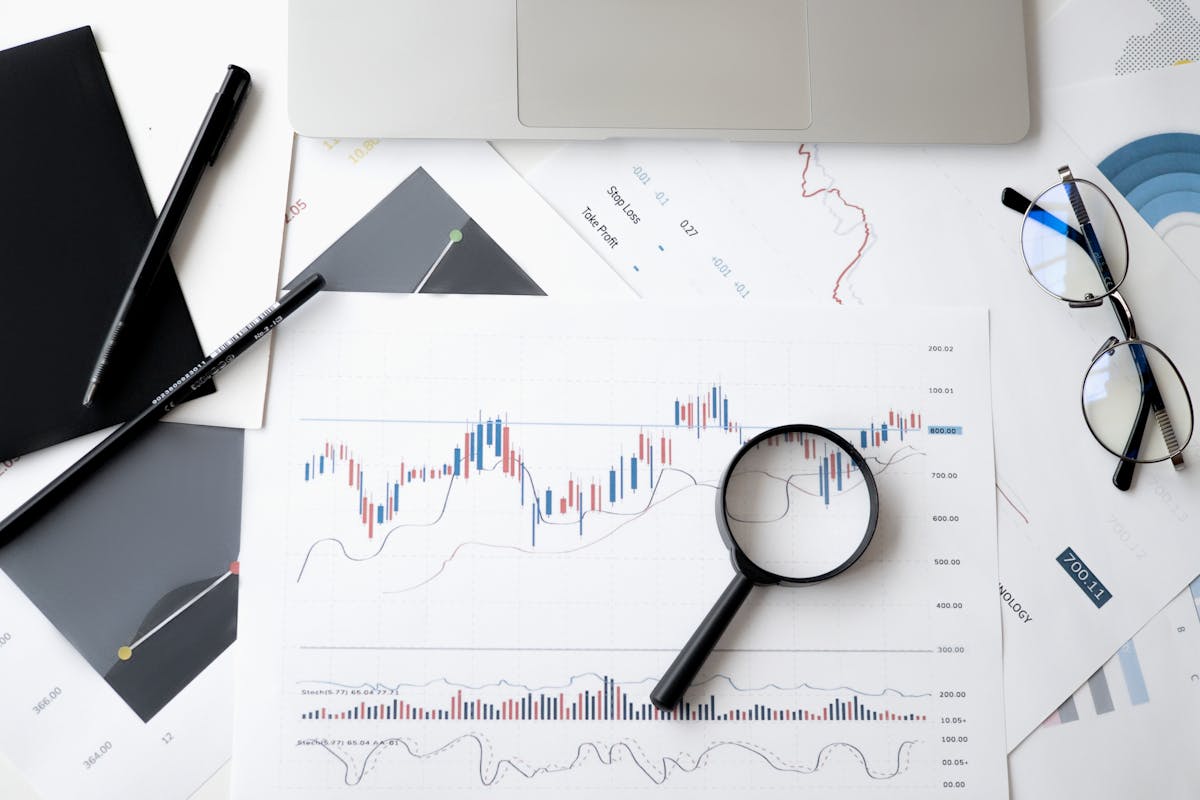
Yes, for some. A minority of traders do make consistent money. They share a pattern: they risk only a tiny percentage per trade, use low leverage, follow a tested plan, keep a journal, and treat losses as a normal cost of business. They got there slowly, usually after a long stretch of losing while they learned.
If you want to try, treat your first year as tuition, not income. Expect to lose your first deposit, start tiny, and measure success by whether you are improving, not by one lucky win.
A Realistic Example
Say you start with KSh 20,000 and risk 2% per trade, which is KSh 400. Even a skilled trader might win just over half their trades. The profit comes from winners being bigger than losers over hundreds of trades, not from one jackpot. If that sounds slow and unglamorous, that is exactly why most people quit, and why the few who stay disciplined are the ones who last.
Is Investing a Better Bet Than Trading?

For most Kenyans, yes. Investing, buying good assets and holding them for years, has far better odds than short-term trading and needs much less time and skill. A money market fund earns steady interest, and long-term NSE shares reward patience. If you still want to trade, learn the full picture first in our guide on how to start trading in Kenya.
How to Give Yourself the Best Chance of Profiting
If you decide to trade anyway, the goal is to tilt the odds slightly in your favour and, above all, to survive long enough to learn. Profitable traders are not the ones who make the boldest bets. They are the ones who protect their capital so a losing streak cannot wipe them out.
- Risk tiny amounts. Keep each trade to 1% to 2% of your account, so no single loss hurts much.
- Use low leverage. High leverage is the fastest route to a blown account.
- Follow a written plan. Decide your entries, exits and maximum daily loss in advance, and stick to them.
- Keep a journal. Review every trade so you actually learn from mistakes instead of repeating them.
- Walk away from “guru” promises. The regulator warns about this constantly. The Capital Markets Authority regularly issues public cautions against investment scams, and anyone guaranteeing profit is one of them.
None of this guarantees profit. It simply gives you a fighting chance, which is the most any honest guide can promise. The traders who last treat discipline as the strategy, not an afterthought.
The bottom line
Is trading profitable? It can be, but for most beginners it is not, and pretending otherwise is how people lose money they could not afford to lose. If you go in, go in slowly, risk tiny amounts, and expect to learn before you earn. For many people, steady investing is the smarter and far less stressful path to growing wealth.
Is Trading Profitable? The Honest Statistics
When people ask is trading profitable, they want a yes. The honest answer is that for a small, disciplined minority it is, and for most beginners it is not. Broker disclosures and academic studies consistently show that the majority of retail traders lose money over time, often 70% or more. So trading is profitable in the sense that it can be done, but it is not profitable for most of the people who try it.
Why Most Beginners Lose
If trading can be profitable, why do so many lose? Usually not because of bad analysis, but because of poor discipline: over-leveraging, trading too big, chasing losses, and treating the market like a casino. Add in trading costs on every trade, and the maths quietly works against the impatient. The question is trading profitable really becomes is my behaviour profitable, and for most beginners the honest answer early on is no.
Who Actually Makes Money
The traders for whom trading is profitable tend to share a few traits: they risk small amounts per trade, follow a written plan, keep records, and treat it as a long-term skill rather than a get-rich scheme. They accept frequent small losses and let occasional winners run. In other words, trading is profitable for people who behave like disciplined business owners, not gamblers hoping for one big score.
A Worked Example: The Cost of Overtrading
Here is why is trading profitable is so often answered wrongly. Say you make 50 trades a month, each costing a small fee. Even a trader who is right half the time can end up down for the month once costs are counted, because every round trip takes a bite. A patient trader placing a few well-chosen trades keeps more of their gains. Activity, not accuracy, is what quietly makes trading unprofitable for many.
How Long Before Trading Becomes Profitable?
For those who do get there, trading usually becomes profitable only after months or years of practice, almost always starting on a demo account and then tiny live positions. Anyone promising that trading is profitable from week one, or selling a course that guarantees it, is selling a fantasy. The realistic path is slow: survive, learn, and let competence build before you expect real income.
The Honest Bottom Line
So, is trading profitable? Yes, for a disciplined few, and no, for the impatient many. If you go in treating early losses as tuition, risking only money you can afford to lose, and measuring progress by discipline rather than quick profit, you give yourself the best possible chance. Just go in with your eyes open: for most people, slow, boring investing builds wealth more reliably than trading ever will.
Trading vs Investing for Building Wealth
One honest way to answer whether trading is profitable is to compare it with the alternative. For most Kenyans, steady investing in diversified funds or quality shares builds wealth more reliably than active trading, with far less stress and time. Trading can outperform in the hands of a skilled few, but investing wins for the average person precisely because it removes most of the behaviour that makes trading unprofitable. If your goal is long-term wealth rather than a hobby, that comparison matters.
The Hidden Costs People Forget
When weighing whether trading is profitable, beginners rarely count all the costs. Beyond spreads and commissions, there is the cost of your time, the emotional toll of watching positions, and the tax on any gains. A strategy that looks profitable on paper can turn out flat once every real-world cost is subtracted. Being honest about these costs upfront saves you from the common trap of mistaking gross gains for genuine profit.
Set Realistic Expectations
Finally, protect yourself by setting realistic expectations. Nobody reliably doubles their money every month, and anyone claiming they do is either lucky, lying, or about to blow up. If you expect trading to be a slow skill that might, with discipline, add a modest return over time, you will make better decisions than someone chasing life-changing gains. Realistic expectations are, quietly, one of the biggest factors in whether trading ends up profitable for you at all.
Frequently Asked Questions
Is trading profitable for beginners?
Usually not. Most beginners lose money, especially in leveraged forex. Treat your first year as learning, not earning, and risk only money you can afford to lose.
What percentage of traders lose money?
In regulated markets that publish the data, the large majority of retail accounts lose money over time. The profitable traders are a small, disciplined minority.
Why do most traders lose money?
High leverage, poor risk management, emotional decisions, trading costs and unrealistic get-rich-quick expectations are the main reasons.
Is investing more profitable than trading?
For most people, yes. Investing in funds or long-term shares has better odds and needs far less time and skill than short-term trading.
Disclaimer: This content is for educational purposes only and is not financial advice. Trading carries a high risk of loss, and most retail traders lose money. Figures mentioned are illustrative and were correct at the time of writing (October 2026). Always do your own research and never trade money you cannot afford to lose.
