The Safaricom dividend for its 2026 financial year totals KSh 2.00 per share, made up of a KSh 0.85 interim already paid in March 2026 and a KSh 1.15 final dividend, as confirmed on Safaricom investor relations. The final payment is due on or about 4 September 2026, to shareholders on the register at the close of business on 4 August 2026. That takes the full-year Safaricom dividend up sharply, with the interim alone rising 54.5% on the prior year. This guide breaks down exactly what the Safaricom dividend pays, when, how much you would receive, and whether it makes Safaricom a strong dividend stock.
Safaricom is one of the most widely held shares on the Nairobi Securities Exchange, so its dividend matters to a huge number of Kenyan investors. Below we cover the amounts, the key dates, and what it all means for you.
Table of Contents
Key takeaways
- The total Safaricom dividend for FY2026 is KSh 2.00 per share: a KSh 0.85 interim (paid March 2026) plus a KSh 1.15 final.
- The final Safaricom dividend is payable around 4 September 2026, to shareholders on the register at 4 August 2026.
- The interim jumped 54.5% year-on-year, signalling a strong, growing payout.
- Dividends are paid to the bank account linked to your CDS account, with a 5% withholding tax deducted for residents.
- To qualify for the final dividend, you must own the shares by the record date, not after it.
Safaricom dividend 2026: the numbers
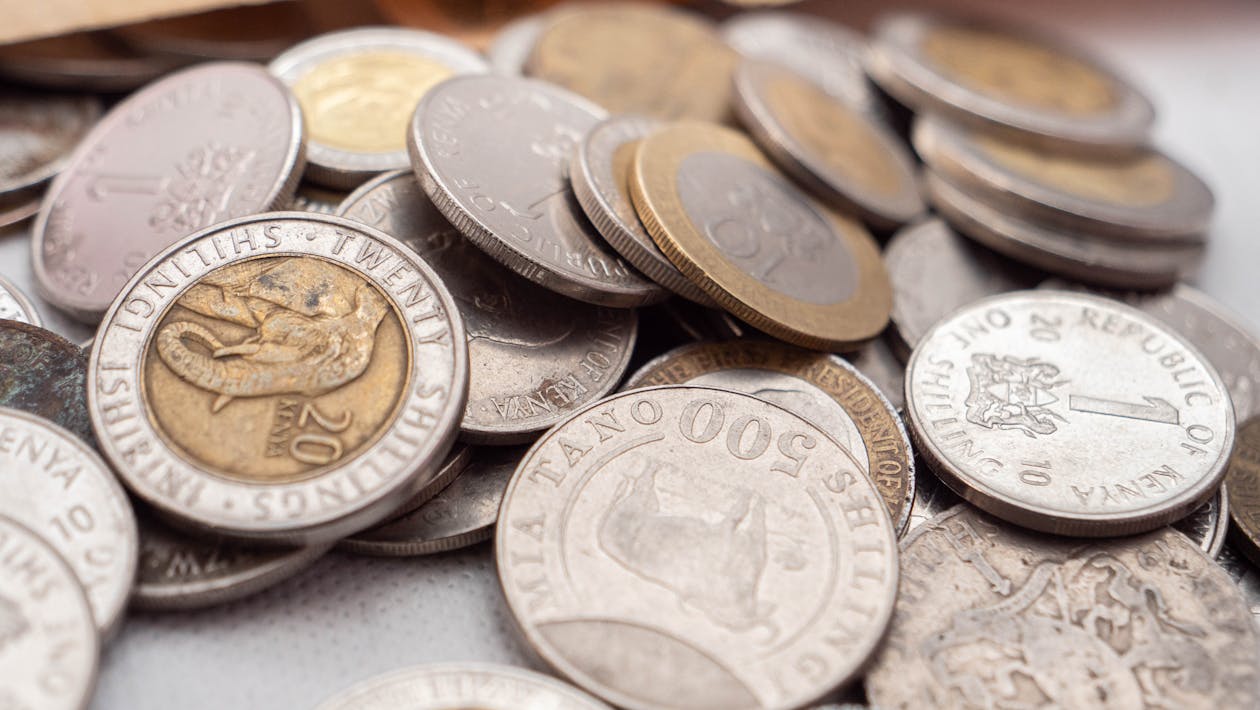
Here is the full Safaricom dividend picture for the 2026 financial year, which runs to the end of March 2026.
| Payment | Amount (per share) | Key date |
|---|---|---|
| Interim dividend | KSh 0.85 | Paid 31 March 2026 |
| Final dividend | KSh 1.15 | Record date 4 Aug; pay ~4 Sep 2026 |
| Full-year total | KSh 2.00 | FY ending March 2026 |
The standout point is the growth. The KSh 0.85 interim was 54.5% higher than the prior year’s KSh 0.55, a meaningful jump for a company with over 40 billion shares in issue. Because Safaricom is so widely held, even a small per-share increase translates into a very large total payout across the market. The rising Safaricom dividend is a positive signal about the company’s cash generation.
How much would you receive?

Numbers make it real. Say you own 10,000 Safaricom shares. At the full-year Safaricom dividend of KSh 2.00 per share, that is KSh 20,000 gross. After the 5% resident withholding tax (KSh 1,000), you would receive KSh 19,000 net, paid straight to your linked bank account.
On yield, the Safaricom dividend as a percentage depends on the price you paid for the shares. As an illustration, at a share price of around KSh 35, a KSh 2.00 dividend is a yield of roughly 5.7%, which is respectable for a large, stable blue chip. Because share prices move daily, check the current price to work out your own yield. For the wider picture, our NSE dividend calendar lists every 2026 payout alongside Safaricom’s.
Key dates: how to qualify for the Safaricom dividend
Two dates decide whether you get paid. The record date (or book-closure date) for the final Safaricom dividend is 4 August 2026. You must own the shares by then to qualify. Buy them after the record date and the dividend goes to the previous owner. The payment date, on or about 4 September 2026, is simply when the cash reaches you.
The money lands automatically in the bank account linked to your Central Depository System account, with the 5% withholding tax already deducted, so you do not need to file anything for that. If your CDS account has no linked bank account, the payment can sit unclaimed, so it is worth checking your details before the record date. New to this? See our guide to opening a CDSC account.
Is Safaricom a good dividend stock?
On the evidence of the rising Safaricom dividend, it is a solid income holding, though not the highest-yielding on the exchange. Its strengths are consistency and scale: Safaricom generates enormous, reliable cash flows from M-Pesa and mobile services, which funds a dependable and growing dividend. For an investor who wants steady income from a company they understand and use daily, that reliability has real value.
The trade-off is that its yield is moderate rather than spectacular. Pure yield-hunters can find higher payouts elsewhere, for example among the banks and BAT, which you can compare in our guide to the best dividend stocks in Kenya. But few of those combine Safaricom’s blend of income and long-term growth potential. That mix is why the Safaricom dividend appeals to so many long-term investors.
What to do with your Safaricom dividend
When your Safaricom dividend lands, you have a simple but important choice: spend it or reinvest it. Reinvesting, by using the cash to buy more shares, is how dividends compound into serious wealth over time. A KSh 19,000 payout reinvested each year, growing with the dividend, adds up over a decade far more than most people expect.
If you are building a portfolio, treating the Safaricom dividend as fuel rather than spending money is one of the most powerful habits you can adopt. To see how Safaricom fits among the market’s other strong performers, look at the best performing NSE stocks and consider spreading your dividend income across several reliable payers.
Why Safaricom is a core holding for many investors
Beyond the payout itself, it helps to understand why so many Kenyans hold Safaricom shares in the first place. The company sits at the centre of daily life through M-Pesa, mobile data and voice, generating vast, dependable cash flows that few other listed firms can match. That cash engine is what underpins its ability to reward shareholders year after year, and it is why the stock is treated as a cornerstone rather than a speculative bet.
Safaricom also carries genuine growth potential alongside its income. Its expansion into new services and markets gives it room to grow earnings over time, which supports both a rising payout and the prospect of a higher share price. For a long-term investor, that combination of a reliable income stream and steady growth is unusual and valuable; many blue chips offer one or the other, not both.
None of this makes it risk-free. A single company, however dominant, can face regulation, competition, or setbacks in a new market, and the share price will move with sentiment. The sensible approach is to hold Safaricom as one strong pillar of a diversified portfolio rather than your entire holding, reinvesting the income it throws off and letting the position compound patiently over years.
Frequently asked questions
What is the Safaricom dividend for 2026?
The total Safaricom dividend for FY2026 is KSh 2.00 per share, made up of a KSh 0.85 interim paid in March 2026 and a KSh 1.15 final dividend payable around 4 September 2026. The amounts are gross, before the 5% withholding tax.
When is the Safaricom dividend paid?
The interim of KSh 0.85 was paid on 31 March 2026. The final KSh 1.15 is payable on or about 4 September 2026, to shareholders on the register at the close of business on 4 August 2026.
How do I qualify for the Safaricom dividend?
You must own the shares by the record date, 4 August 2026 for the final dividend. If you buy after that date, the dividend goes to the seller. The cash is paid automatically to the bank account linked to your CDS account.
How much tax is deducted?
Resident shareholders pay a 5% withholding tax on the Safaricom dividend, deducted automatically before the money reaches you. So a KSh 2.00 gross dividend pays KSh 1.90 net per share to residents.
Is Safaricom a good dividend stock?
It offers a reliable, growing dividend backed by strong cash flows, though its yield is moderate rather than the highest on the NSE. It suits investors who want dependable income plus long-term growth from a company they know.
For a bank with a steadily rising dividend, see our Stanbic Holdings shares review.
Disclaimer: The content on Sarafu is for educational and informational purposes only. It does not constitute financial or investment advice. Dividend amounts, dates and share prices mentioned are approximate and were sourced at the time of writing; companies can amend payment schedules, and prices move daily. Past dividends are not a promise of future payouts. Always verify current figures on Safaricom’s investor relations page or a live source, and consider consulting a licensed financial advisor before making any decision.
