The Hisa app is one of Kenya’s most popular investing apps, and for good reason: it lets you buy NSE shares and US stocks like Apple and Tesla from one phone, starting with as little as one dollar. It charges a simple flat 1% fee on every trade, wraps your CDS account into sign-up, and supports fractional shares, so you can own a slice of a global company without needing thousands. This Hisa app review covers exactly what it offers, the fees, the pros and cons, and whether it is the right choice for you.
For a new investor, the appeal of the Hisa app is that it removes almost every barrier: no large minimum, no separate broker visit, and a clean mobile experience. But no app is perfect, so below we look honestly at where it shines and where it falls short.
Table of Contents
Key takeaways
- The Hisa app lets you invest in Kenyan (NSE), US, and Nigerian stocks and ETFs from one account.
- It charges a flat 1% fee on all trades, which is simple and competitive for local shares, though it adds up for frequent trading.
- You can start with as little as one dollar and buy fractional shares of global companies like Apple, Tesla and Amazon.
- Sign-up wraps your CDS account opening, so a new investor gets access to both local and US markets in one go.
- It is regulated by the Capital Markets Authority in Kenya, and best suited to mobile-first, long-term investors rather than heavy traders.
What is the Hisa app?
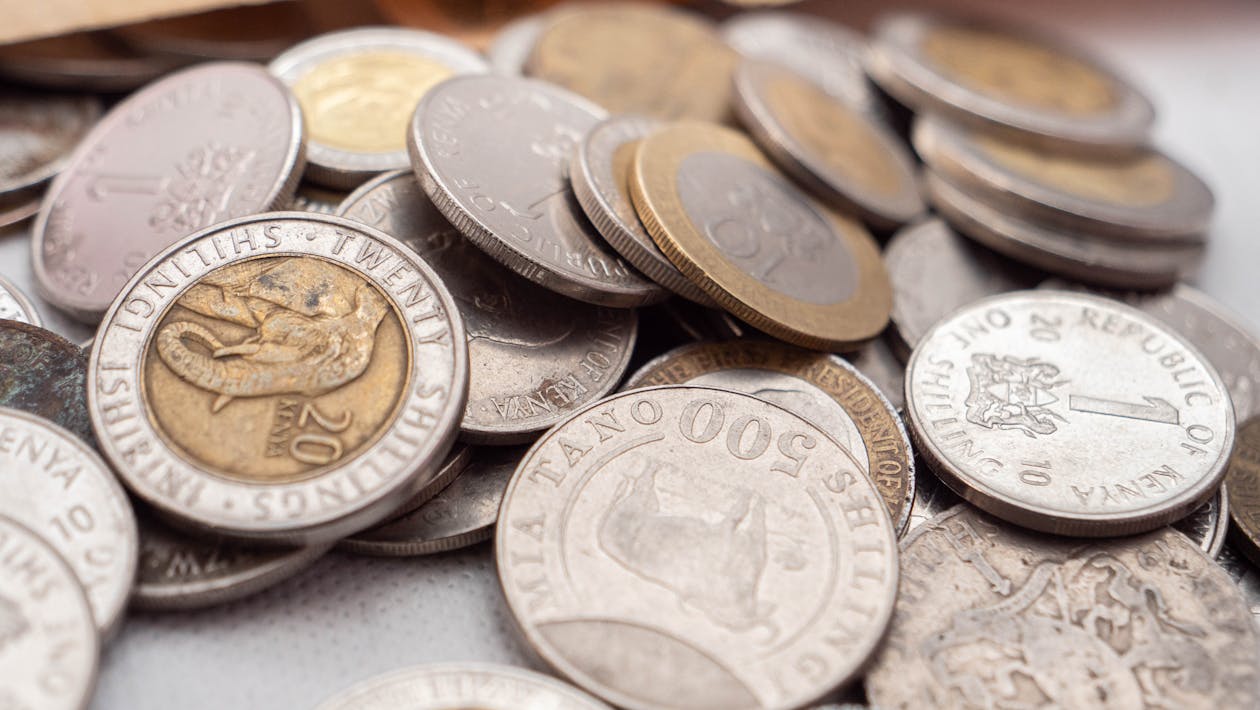
The Hisa app is a mobile and web investing platform built by Hisa Technologies that lets ordinary Kenyans buy and hold shares. Its standout feature is breadth: through one account you can invest in NSE-listed Kenyan companies, a curated set of over 5,000 US stocks and ETFs, and Nigerian equities. For the local market, sign-up includes opening a CDS account, so you become a proper registered shareholder without a separate process.
What makes the Hisa app especially popular with younger investors is fractional shares. Instead of needing the full price of a US stock, you can buy a fraction of one, which is how a KSh 1,000 investment can own a slice of Apple. This lowers the barrier to global investing dramatically. The app is regulated by the Capital Markets Authority in Kenya.
Hisa app fees

Fees are where the Hisa app keeps things refreshingly simple. It charges a flat 1% fee on all trades, across every market and asset type. There are no confusing tiers or hidden charges to decode: 1% when you buy, 1% when you sell. For Kenyan shares, that is competitive against traditional brokers, whose commissions and levies often total more.
The flip side is that a per-trade fee rewards buy-and-hold investing and penalises frequent trading. If you buy and sell often, those 1% charges stack up quickly. For US stocks, remember there is also currency conversion involved when you move money in and out of dollars, which is a cost on top of the trade fee. So the Hisa app is cheapest when you invest steadily and hold, rather than trading in and out.
How to use the Hisa app
Getting started is quick and fully digital. You download the Hisa app from the Google Play Store or Apple App Store, sign up with your email, and select your nationality. You then complete verification by submitting your ID and a selfie. Once approved, you fund your account and can start buying shares, local or global, in minutes.
Because the Hisa app handles the CDS account setup for the Kenyan side, you do not need to arrange that separately, which is a real convenience for beginners. If you want to understand that piece, see our guide to the CDSC account. And if you are weighing the Hisa app against other options, our roundup of the best stockbrokers in Kenya puts it in context.
The pros of the Hisa app
Very low entry point. Starting from one dollar with fractional shares means anyone can begin, which is the app’s biggest strength.
Local and global in one place. Buying NSE shares and US stocks like Tesla from a single app is genuinely convenient and rare in the Kenyan market.
Simple, transparent fee. A flat 1% is easy to understand, with no hidden costs.
Beginner-friendly. The CDS-wrapped sign-up and clean mobile design make it easy for a first-time investor to actually get started.
The cons to weigh
Costs add up for active traders. The 1% per-trade fee is fine for holders but expensive if you trade frequently.
Currency risk on US stocks. Investing in dollars adds exchange-rate exposure and conversion costs, which can help or hurt your returns.
Newer platform. As a relatively young app, it has a shorter track record than established investment banks, so weigh that against its convenience.
Not for hands-on advice seekers. If you want in-depth research and a personal adviser, a traditional broker may suit you better than an app.
Who is the Hisa app best for?
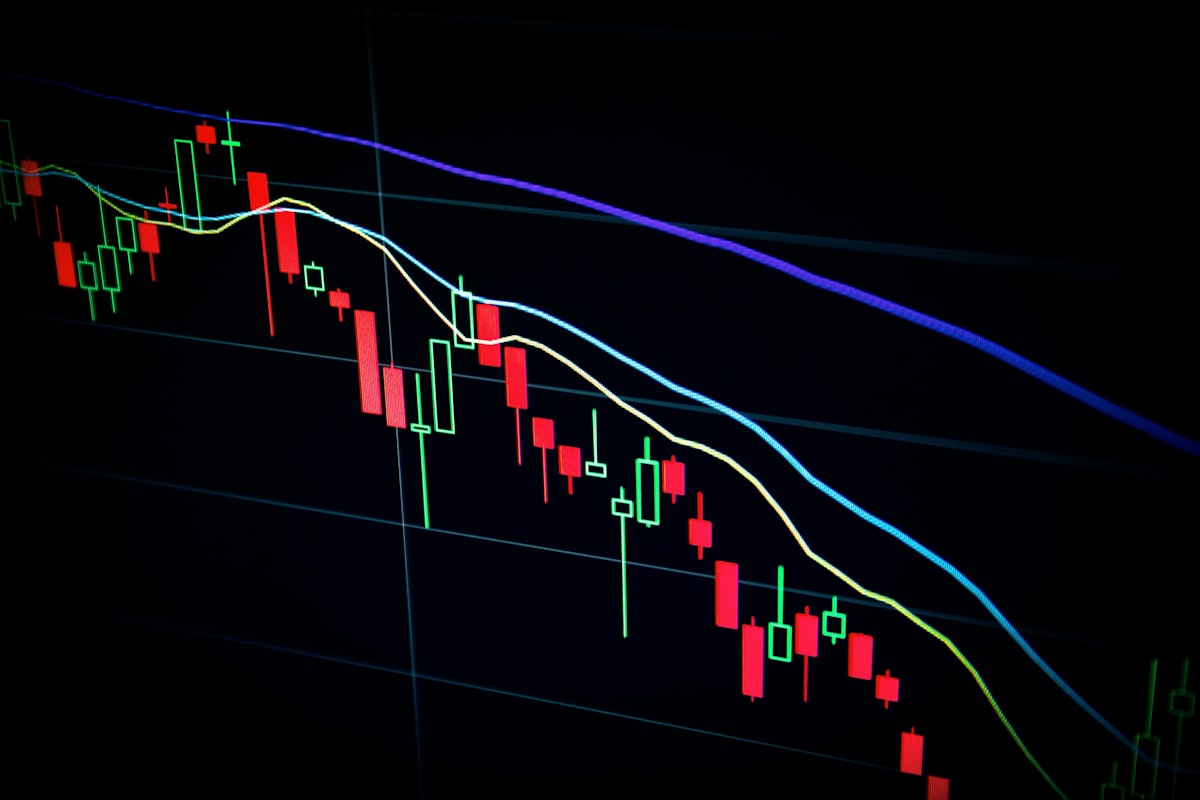
The Hisa app is best for the mobile-first, long-term investor: someone starting out who wants to buy a few NSE shares, dip into global names like Apple or Amazon with small amounts, and hold for the long run. Its low minimum and fractional shares make it ideal for building the habit gradually, and the simple fee suits people who buy and hold rather than trade.
It is less ideal for very active traders, who would feel the per-trade fee, or for investors who want deep research and personal advice. If you are keen on global diversification, pair the Hisa app with an understanding of the currency angle in our guide on how to invest in US dollars from Kenya. And to decide what to buy locally, see the best performing NSE stocks.
Hisa vs traditional brokers: which should you choose?
The real choice for many investors is between a modern platform like this one and a traditional investment bank. A traditional broker such as Dyer & Blair or Kestrel gives you research, advisory and a personal relationship, which suits investors who want guidance and are placing larger orders. The flat, simple pricing and low minimum here suit the opposite investor: someone starting small, comfortable making their own decisions, and wanting everything on their phone.
Neither is objectively better; they serve different people. If you value hand-holding and in-depth research, a broker earns its keep. If you value convenience, tiny starting amounts and access to global names, the digital route wins. Many investors even use both: a traditional broker for larger, considered NSE positions, and a platform like Hisa for small, regular investing and a taste of global stocks. The key is matching the tool to how you actually invest.
Getting the most out of the platform
To make the most of a platform like this, treat it as a long-term tool rather than a place to gamble. Because the fee is charged per trade, the smart approach is to buy quality companies or ETFs and hold them, letting them compound, rather than jumping in and out. Set up a regular monthly investment, even a small one, and add to your best positions over time; consistency beats timing.
Use the global access thoughtfully. Being able to own a fraction of a world-class company is powerful, but keep foreign holdings as a sensible slice of a portfolio rather than the whole thing, and remember the currency swings that come with dollar assets. On the local side, anchor your portfolio with solid Kenyan names and reinvest the dividends they pay. Done this way, the convenience becomes a genuine wealth-building advantage rather than a temptation to overtrade.
Is Hisa worth it?
For the right investor, yes. If you are starting out, want to invest small amounts regularly, and value having local and global stocks in one simple, regulated place, it is one of the easiest ways to begin building a portfolio in Kenya. If you are an active trader or want deep personal advice, weigh the per-trade cost and the lighter research offering against your needs. As always, the best tool is the one that gets you invested and keeps you invested.
Frequently asked questions
What is the Hisa app?
The Hisa app is a Kenyan investing platform that lets you buy NSE shares, US stocks and Nigerian equities from one account, including fractional shares of global companies. It is regulated by the Capital Markets Authority and wraps CDS account opening into sign-up.
What are the Hisa app fees?
The Hisa app charges a flat 1% fee on all trades, across all markets and asset types, with 1% when you buy and 1% when you sell. It is simple and competitive for local shares, but the per-trade cost adds up for frequent trading, and US trades involve currency conversion too.
How much do I need to start on the Hisa app?
You can start with as little as one dollar thanks to fractional shares, making it one of the most accessible ways to invest in both local and global stocks from Kenya.
Is the Hisa app safe?
It operates under the Capital Markets Authority in Kenya, and for the local market your shares are held in a CDS account in your name. As with any investing, the value of your shares can rise or fall, and US holdings carry currency risk, so it is low-friction but not risk-free.
Is the Hisa app good for beginners?
Yes. Its low minimum, fractional shares, simple fee and CDS-wrapped sign-up make the Hisa app one of the easier ways for a beginner to start investing, especially if you want both local and global stocks in one place.
Disclaimer: The content on Sarafu is for educational and informational purposes only. It does not constitute financial or investment advice, and is not an endorsement of any specific app. App features and fees can change, and were described at the time of writing. Always confirm current fees and check regulatory status before investing. Investing in shares carries risk; the value of your investments can go down as well as up, and foreign holdings carry currency risk.
